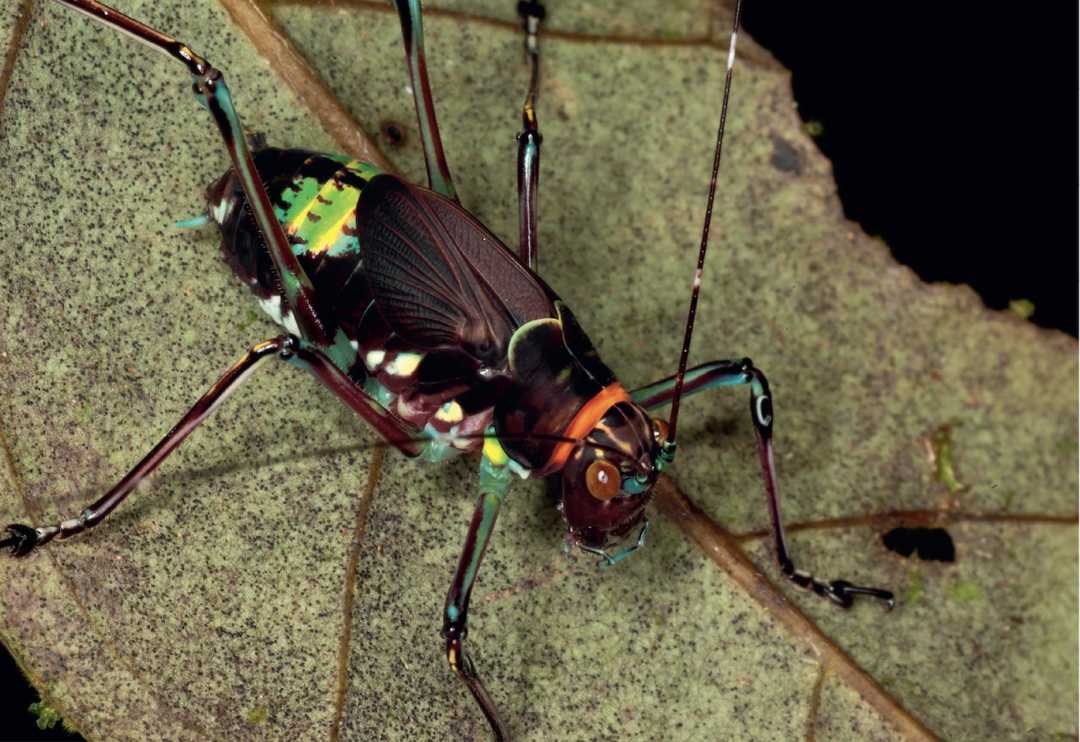
Eye-Catching New Guinea Katydid Nymph Approaches Adulthood in Final Instar

A striking katydid nymph from New Guinea is currently in its last developmental instar, poised on the cusp of transformation. Clad in vibrant hues that demand attention, the insect’s robust body and stubby wing buds signal its imminent metamorphosis into adulthood. For now, it crawls through the rainforest understory, a living testament to nature’s dramatic life cycles.

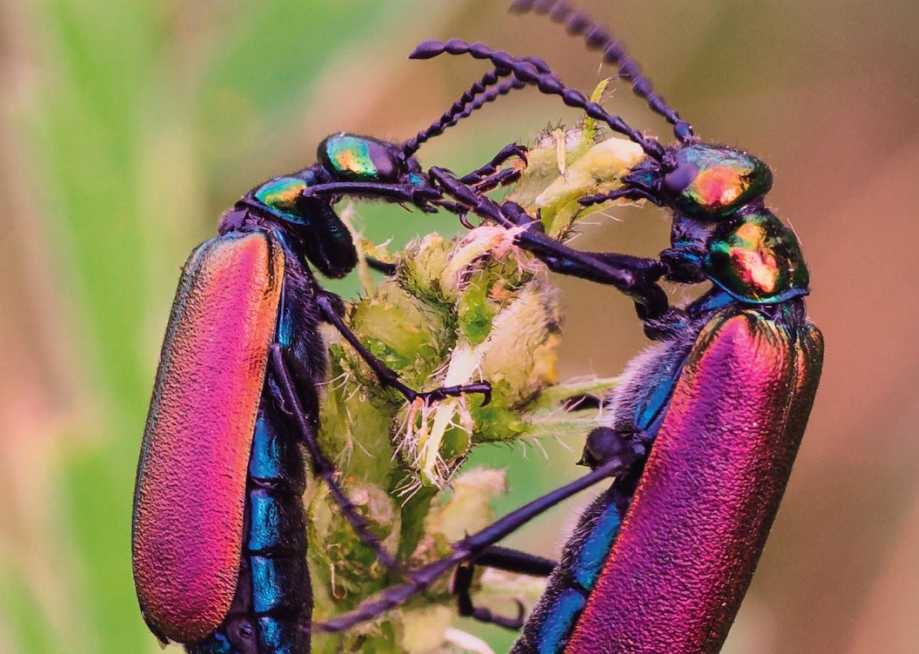
Lytta nuttalli: North America's Most Dazzling Beetle Harbors a Toxic Secret

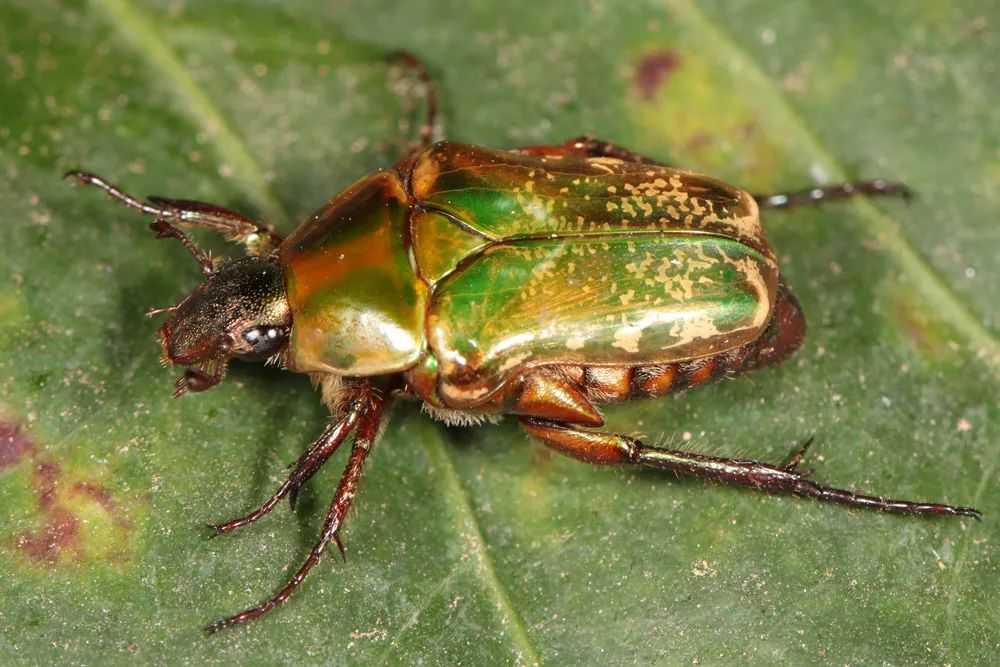
The Lytta nuttalli, or Nuttall's blister beetle, stands as a living jewel among North American insects, its iridescent exoskeleton shimmering in hues of emerald, bronze, and gold. Sunlight reflects off its elytra in a kaleidoscope of colors, making it a standout in meadows and prairies. Yet beneath this dazzling exterior lies a warning: this beetle’s beauty is paired with a potent defense mechanism.

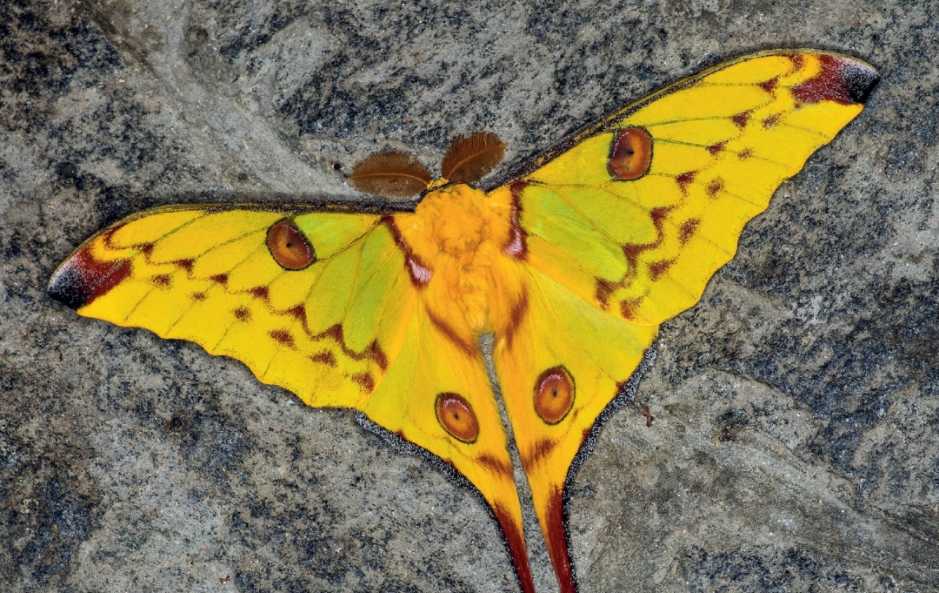
Argema mittrei: Madagascar's Majestic Comet Moth with Dazzling Tail Trails

Hailing from the eastern rainforests of Madagascar, the Argema mittrei, or Comet Moth, captivates with its ethereal grace. This lepidopteran giant glides through the forest canopy with a slow, deliberate flight, its elongated tail projections swaying like silken streamers. Measuring 160 mm in both body length and wingspan, it commands attention as one of the most striking moths in the insect kingdom.

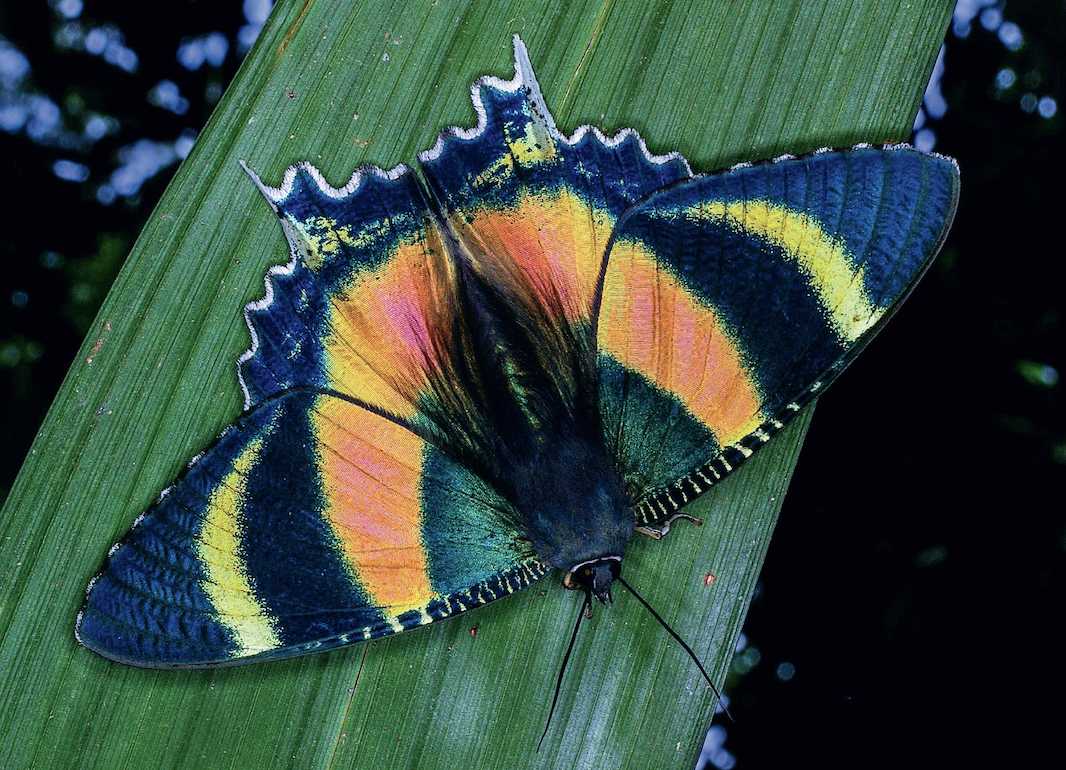
Alcides metaurus: Australia's Butterfly-Mimicking Moth Swarms Tropical Rainforests

Hailing from the tropical regions of eastern Australia, the Alcides metaurus—a striking moth resembling a butterfly—captivates with its vibrant appearance. With wingspans mirroring lepidopteran elegance, this species blurs the line between moths and butterflies, featuring iridescent hues and delicate patterns that mimic its diurnal counterparts. Its resemblance is so profound that even entomologists sometimes do a double-take.

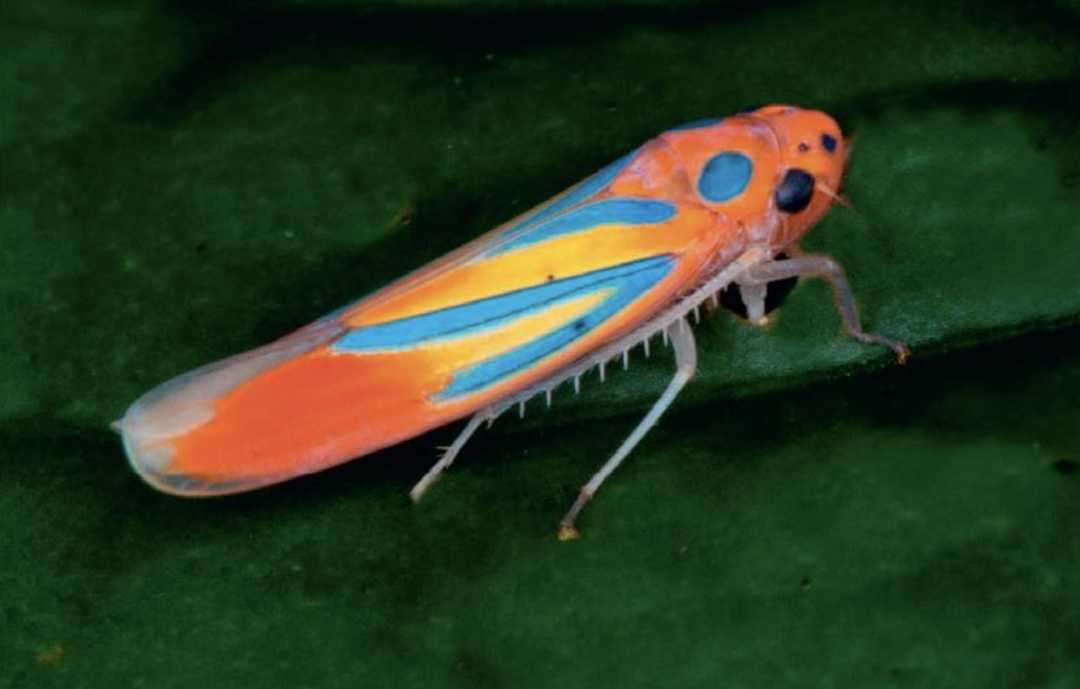
Madagascar's Vibrant Leafhopper: A Living Canvas of Blue, Yellow, and Orange

In the lush ecosystems of Madagascar, a striking leafhopper species stands out as a masterpiece of natural coloration. Draped in bold hues of blue, yellow, and orange, this tiny insect transforms the forest understory into a living palette, its exoskeleton shimmering with the vividness of a tropical sunset. Each segment of its body seems meticulously painted, a testament to nature’s unparalleled talent for chromatic harmony.

Amazon's Quirky Horsehead Grasshoppers: Proscopiidae Family Thrives in South American Rainforests

The Amazon region of South America serves as a haven for Proscopiidae, commonly known as horsehead grasshoppers. At first glance, these insects bear a striking resemblance to stick insects, with elongated bodies and spindly legs that help them blend into forest foliage. But their most distinctive feature is the bulbous, horse-like shape of their heads, giving them a comical appearance that evokes smiles—some even say their clear, beady eyes and awkward posture resemble beloved childhood classmates.

Cerapterus laceratus: Mozambique's Beetle Tricks Ants with Pheromone Mimicry and Scalding Defense

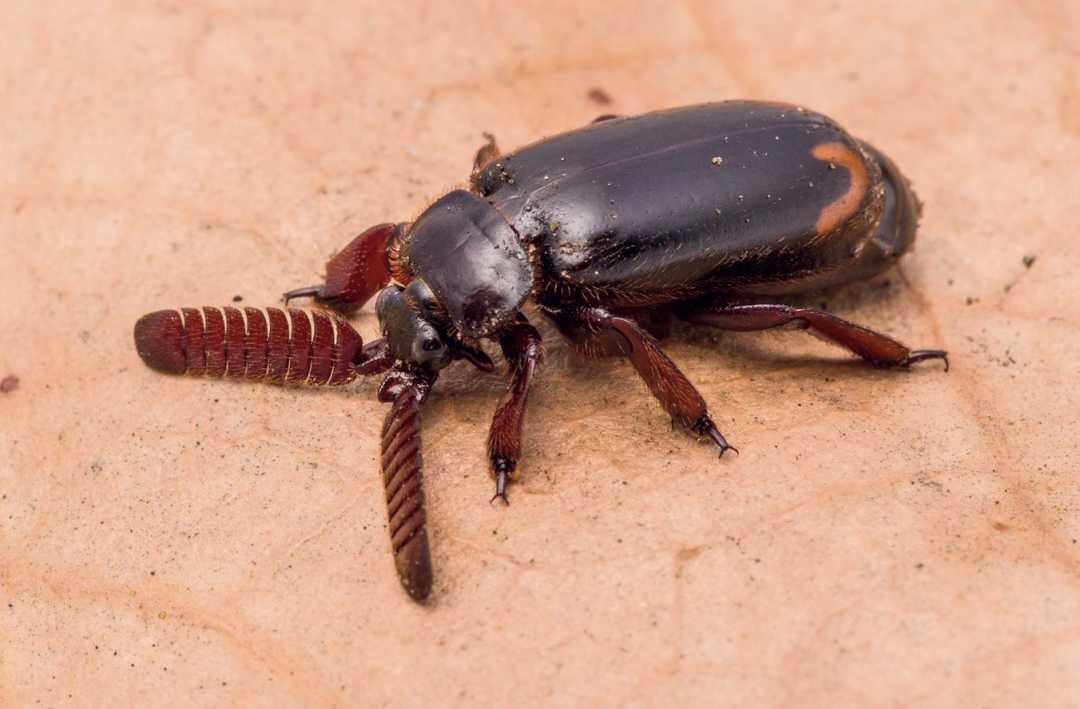
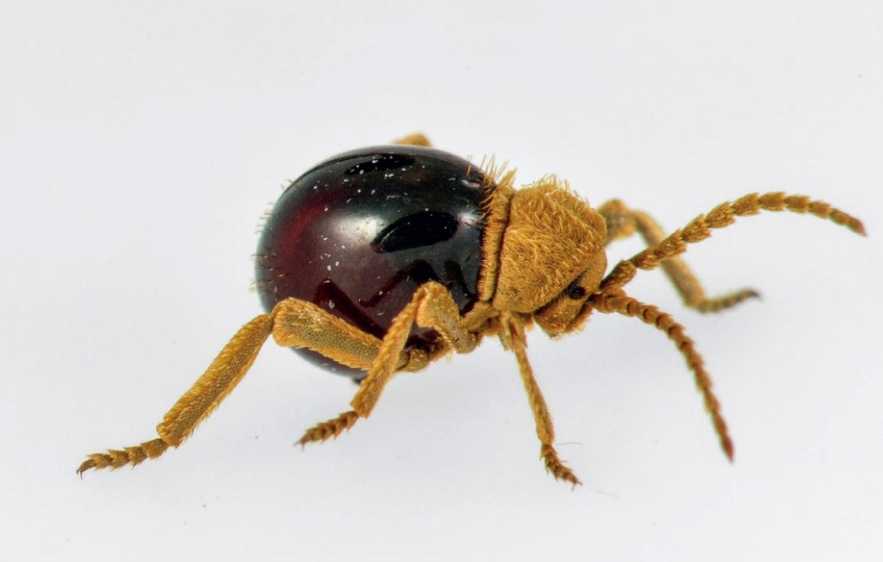
The adult and larval stages of Cerapterus laceratus, a rove beetle from Mozambique, have evolved a dual defense strategy that combines chemical trickery and fiery retaliation. By secreting compounds that mimic ant pheromones, these insects gain seamless integration into ant colonies, where they move freely without triggering aggression. This deceptive adaptation allows them to exploit ant resources while avoiding predation—a biological ruse rare in the insect world.

Acauloplax exigua: Mozambique's Leaf-Mimicking Katydid Blends Seamlessly with Foliage

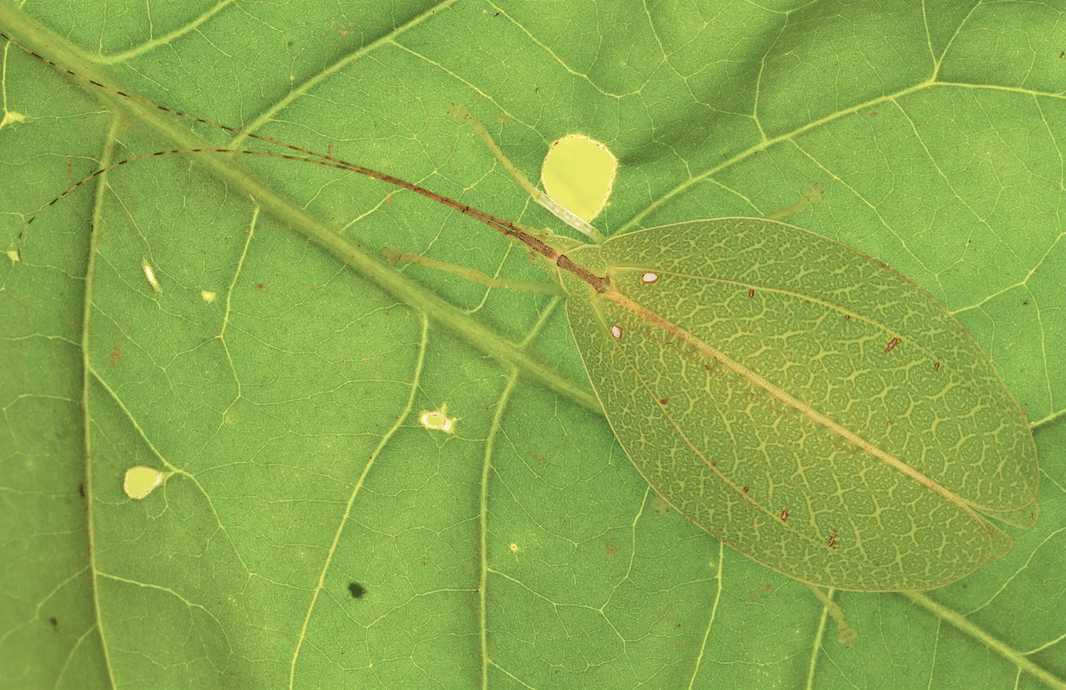
Among the many insects that mimic leaves, the Mozambican katydid Acauloplax exigua stands out for its evolutionary mastery of camouflage. This tree-dwelling orthopteran boasts a flattened body so perfectly adapted to leaf mimicry that it vanishes against greenery, its veins and coloration mirroring the texture and hue of tropical foliage. The result is a living illusion—an insect that becomes one with its habitat at a glance.

Madagascar's Demon-Horned Tortoise Beetle: A Bizarre Beauty with Fiery Projections

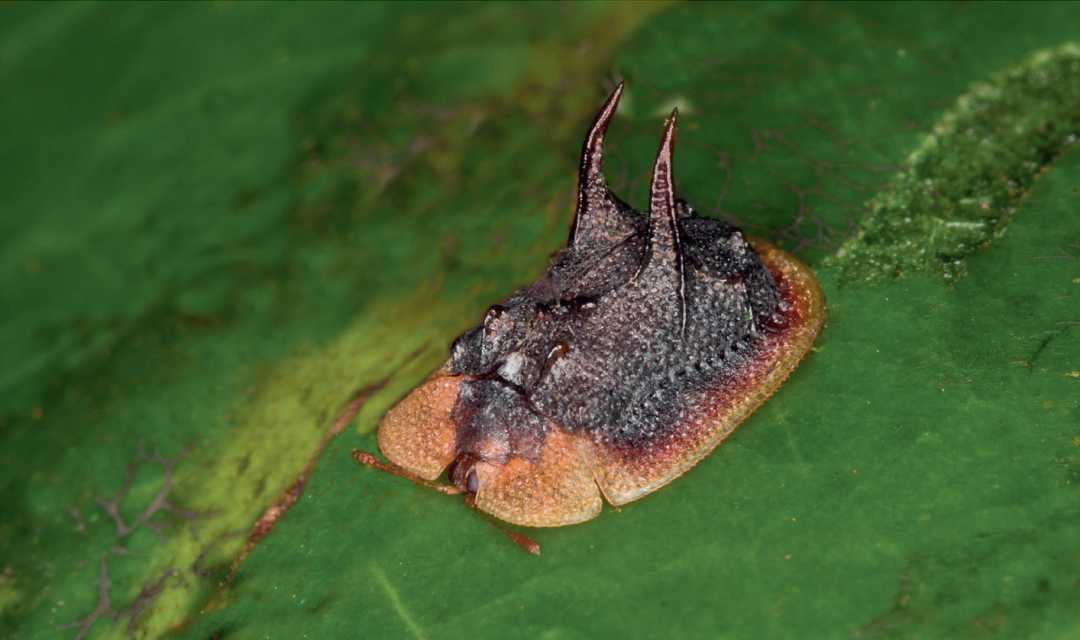
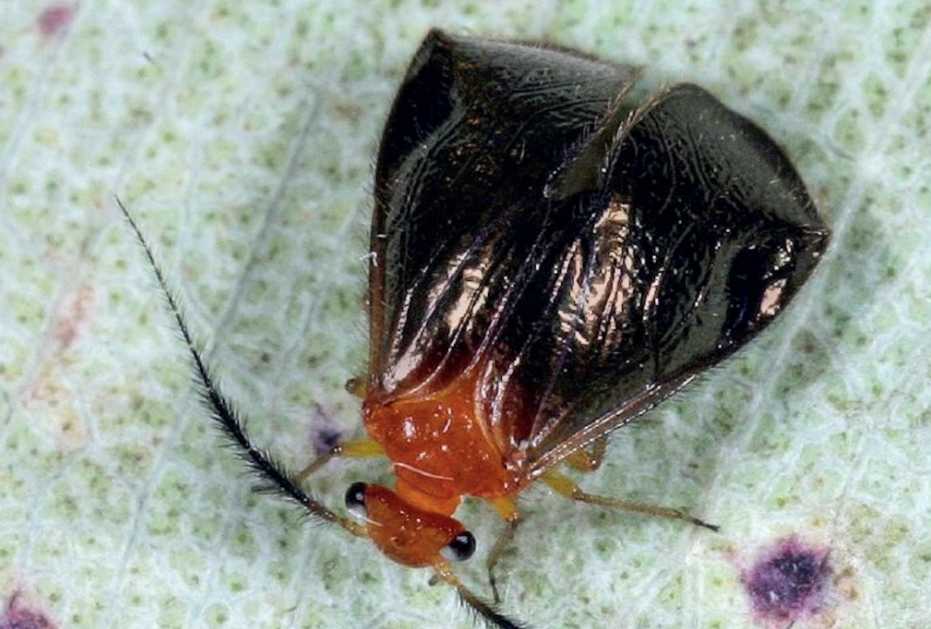
In the realm of beetles, those adorned with devilish horns are a rarity, but a unique tortoise beetle from Madagascar defies expectations with its otherworldly appearance. This extraordinary insect sports two prominent, curved spikes on its elytra, resembling miniature demon horns that rise from its back. The contrast between its armored, domed shell and these fiery projections creates a bizarre yet captivating silhouette, making it a standout in the island’s diverse ecosystems.

Calopsocus sp.: Australia's Stunning Lichen Fly Redefines Psocid Expectations

Hailing from Australia’s eucalyptus forests, Calopsocus sp. shatters stereotypes about psocids (barklice) with its remarkable morphology. Unlike most psocids, whose wings end in sharp points, this species features wingtips that curve gently downward, creating a sleek, elegant outline. The smooth, downward bend—often paired with vibrant coloration or intricate patterns—sets it apart in the world of tiny, often-overlooked insects.

The Slender Stick Mantis of Borneo: A Peculiar Predator in the Mantid World

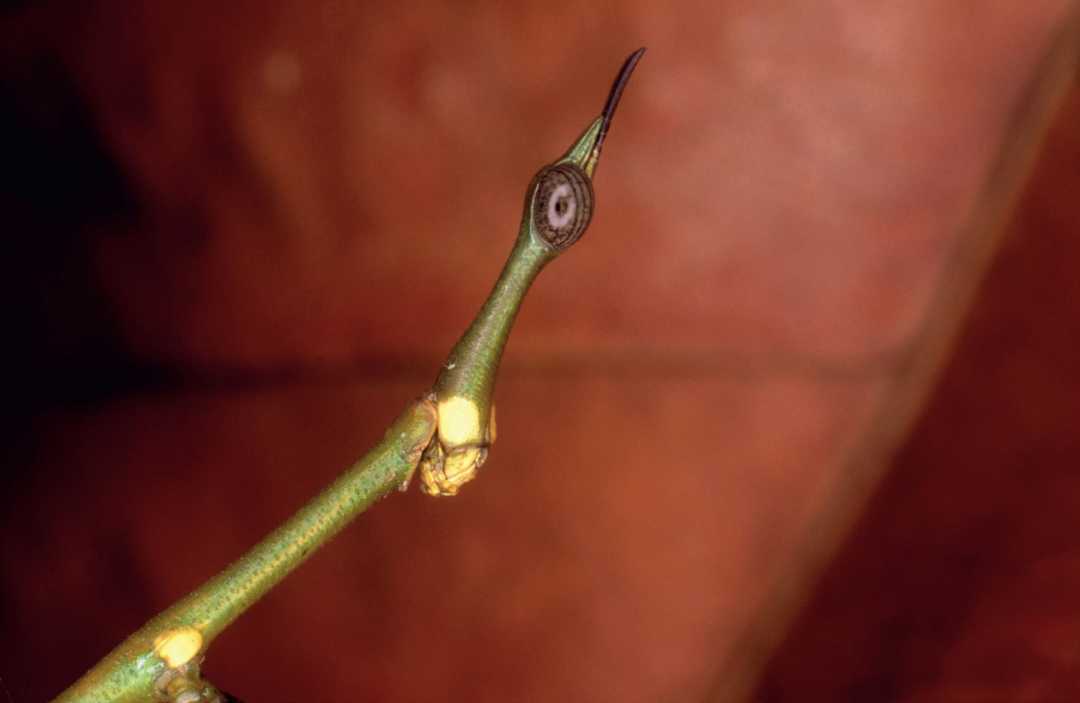
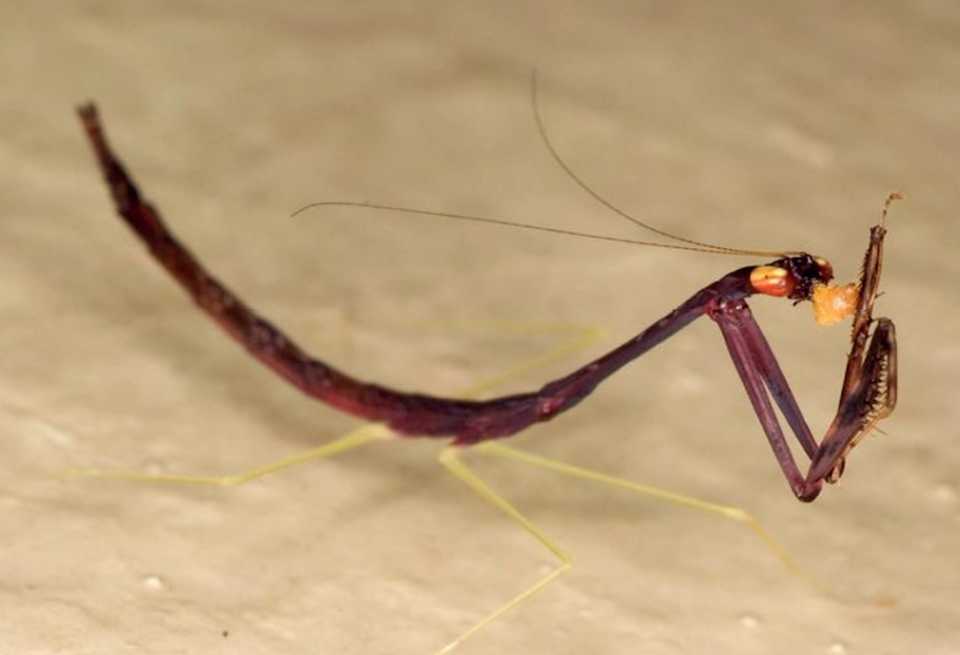
From the rainforests of Borneo (Kalimantan Island) emerges a mantis so 纤细 (slender) it resembles a twig, standing as one of the most extraordinary members of the mantid order. With a body as thin as a bamboo shoot, this mantis has evolved an extreme morphology—its elongated legs and narrow thorax allowing it to blend seamlessly with vegetation, but also imposing strict limitations on its hunting strategy.

Lepidochora discoidalis: The Desert Beetle That Harvests Fog for Survival

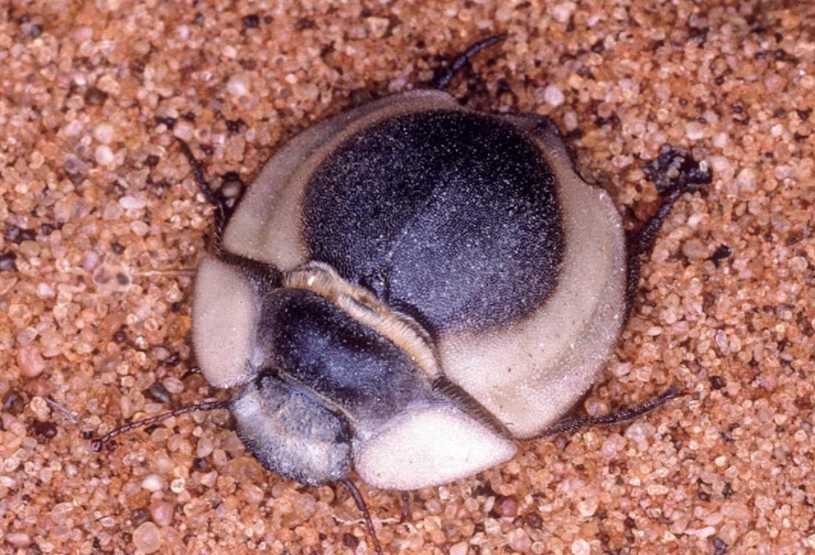
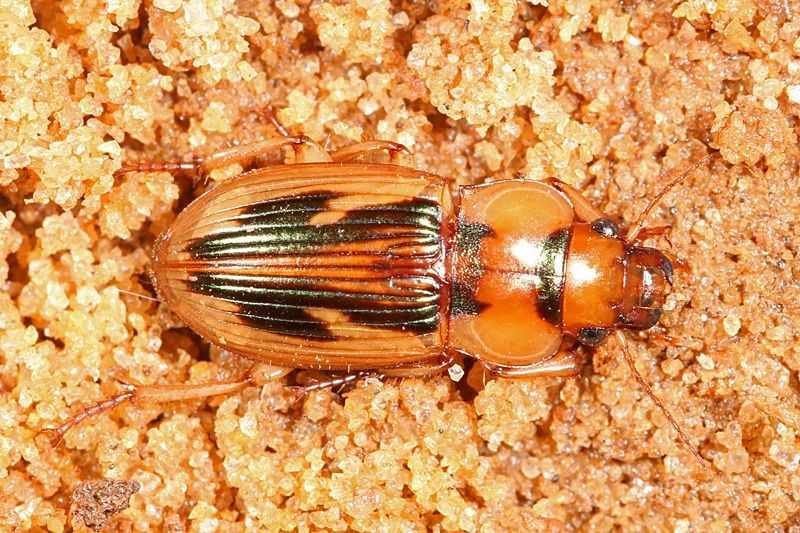
As a master of arid adaptation, Lepidochora discoidalis thrives in desert environments by transforming its body and behavior into a living water collection system. This sleek, disc-shaped beetle, native to arid regions, has evolved a glossy exoskeleton that minimizes sand adhesion, allowing it to glide effortlessly across dunes in search of food scraps. But its most remarkable trait lies in its ability to harvest moisture from the air—a crucial skill in landscapes where rainfall is almost nonexistent.

The Alien-Looking Insect of the Blephariceridae Family

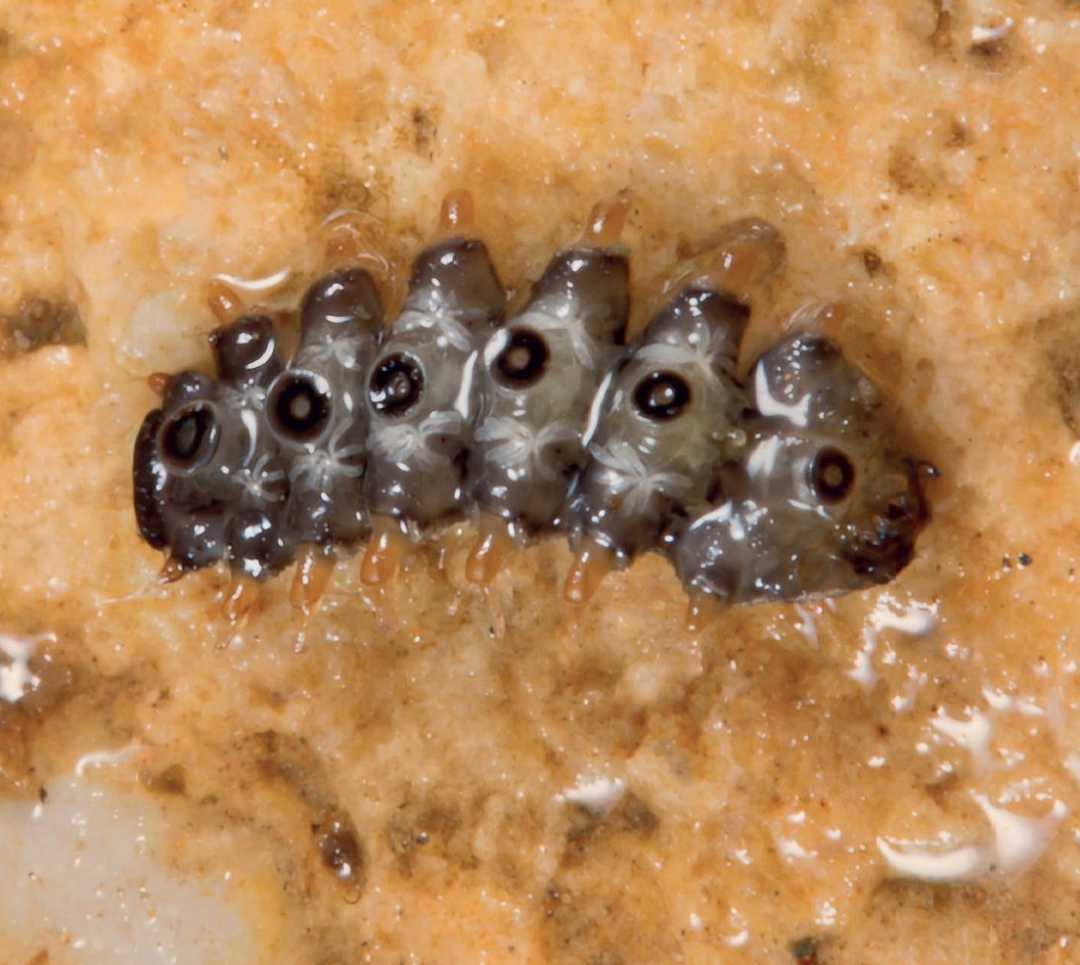
Members of the net-winged midge family (Blephariceridae) resemble extraterrestrial creatures, thriving in the turbulent waters of fast-flowing streams and waterfalls. Their larvae possess a remarkable adaptation: numerous suction cups on the ventral side of their bodies, allowing them to cling tenaciously to slippery rocks amid raging currents. This unique morphology enables them to withstand the force of rushing water while feeding.

Tiger Beetles (Cicindelidae): Nature's Speed Demons and Fierce Predators

Tiger beetles, members of the family Cicindelidae, are renowned for their dazzling iridescence, aggressive predatory behavior, and unmatched speed—making them some of the most captivating insects in the animal kingdom. These beetles combine stunning aesthetics with remarkable adaptations, thriving in diverse habitats from sandy beaches to forest floors.

Pages