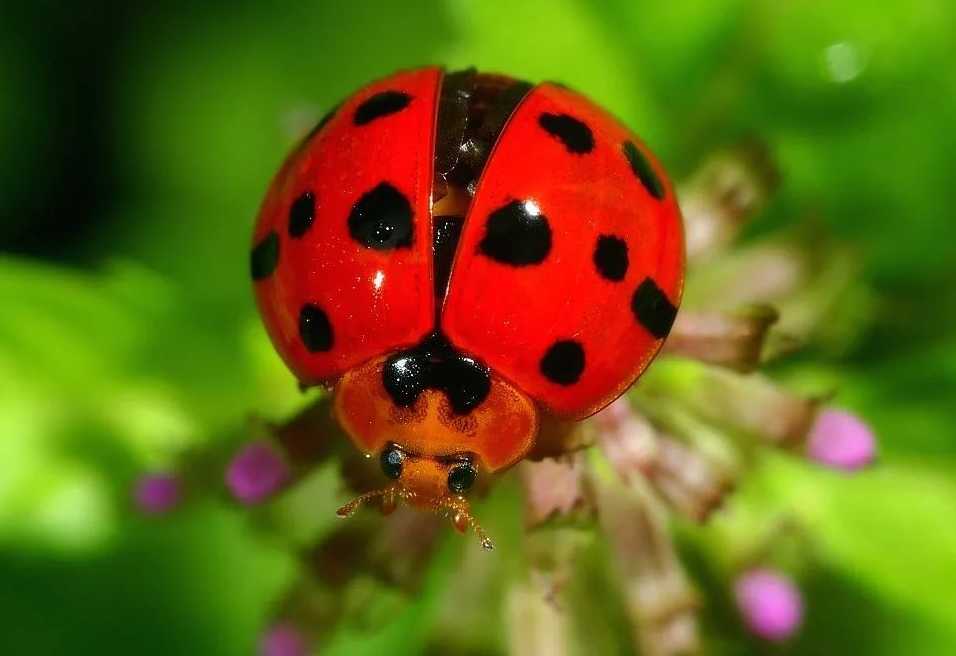
The Alarming Decline of Monarch Butterflies: A North American Icon at Risk

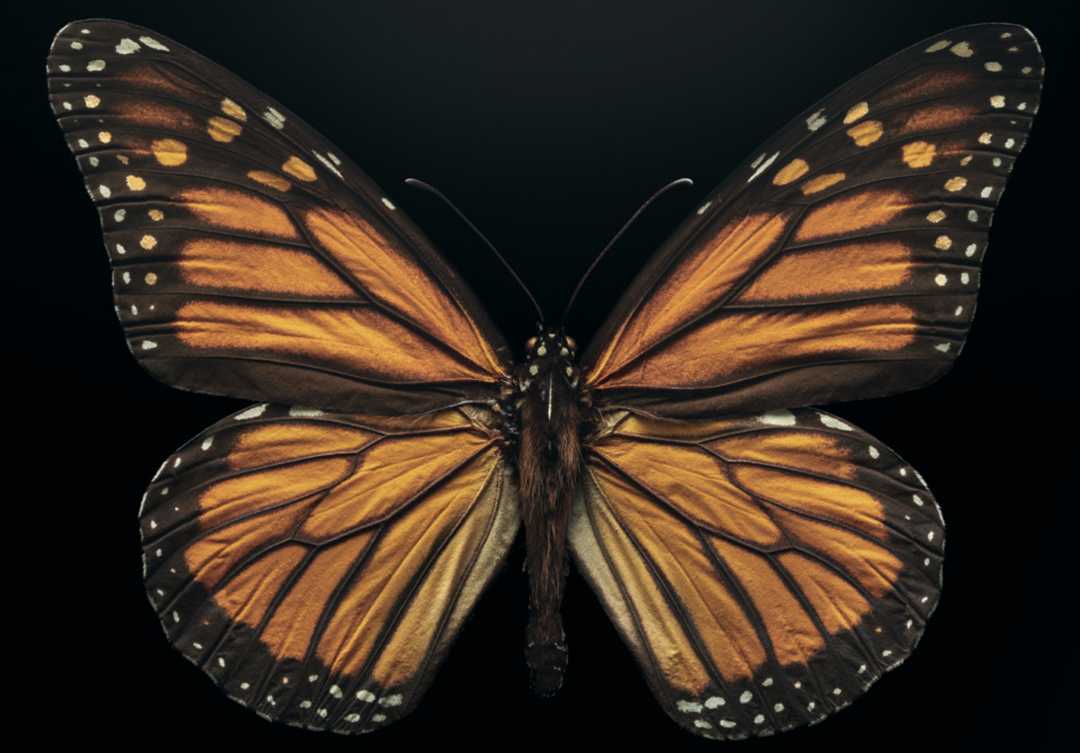
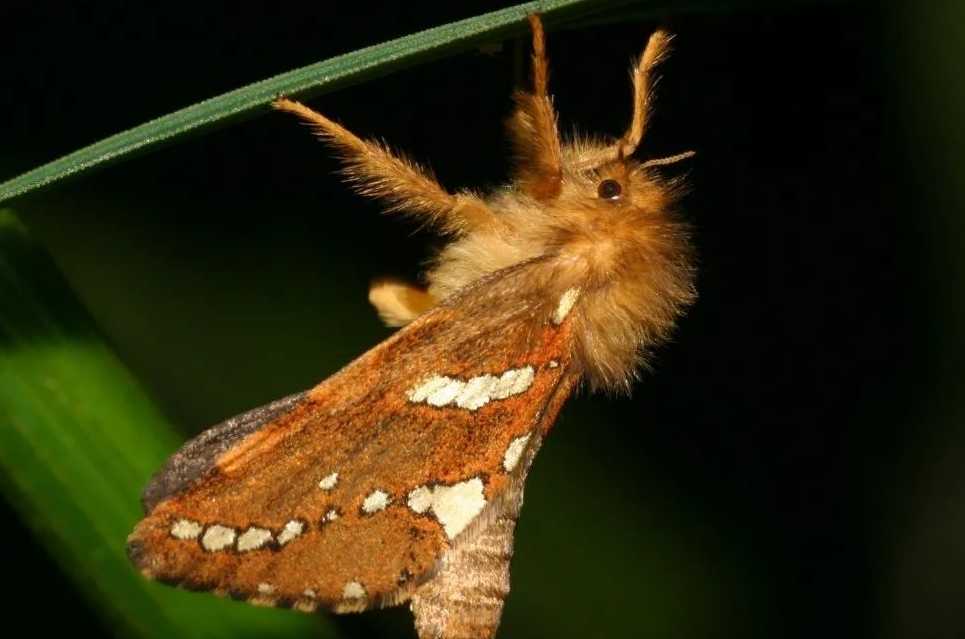
The Monarch butterfly (Danaus plexippus), once a beloved and iconic insect across North America, has been experiencing a continuous and distressing decline in population over recent decades, yet still awaits formal protection. This species, renowned for its spectacular long - distance migrations, has captured the hearts of people with its bright orange and black wings.

Fairyflies: The World's Tiniest Insects with a Mighty Role in Pest Control

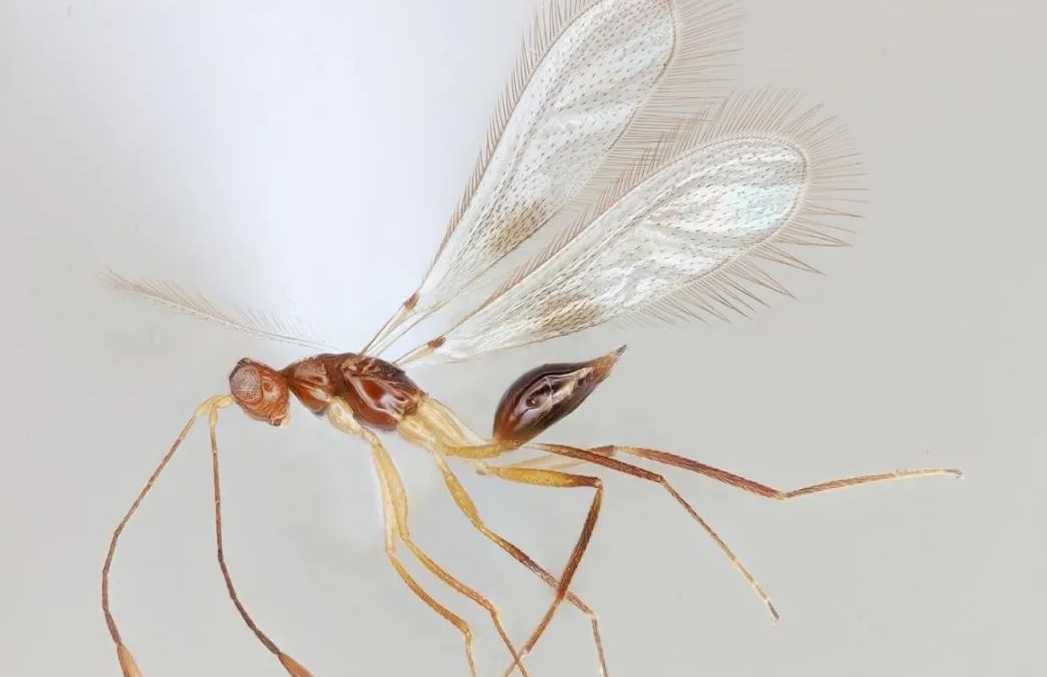
Fairyflies, belonging to the family Mymaridae, hold the title of some of the smallest insects on Earth, measuring a mere 0.2 millimeters in length. These minuscule flyers, smaller than the eye can easily perceive, have evolved an extraordinary lifestyle as parasitic wasps, specializing in a unique ecological niche that benefits both nature and agriculture.

Chironomids: The High - Speed Wing Beaters of Aquatic Ecosystems

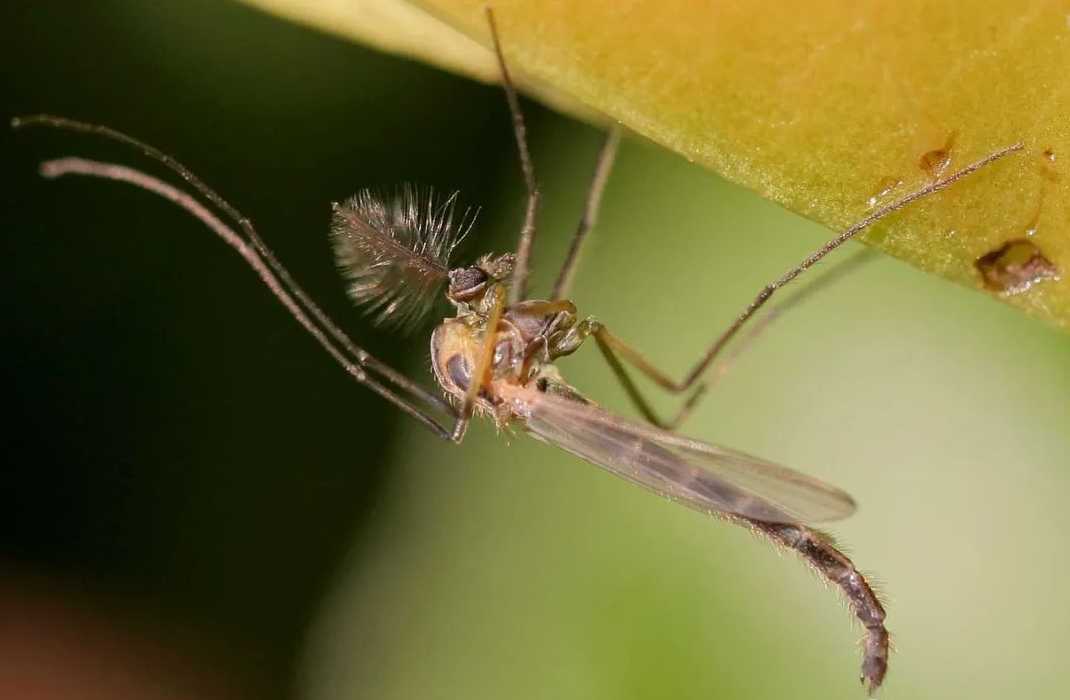
Chironomids, commonly known as non - biting midges, rank among nature’s most astonishing wing beaters, with estimates showing they can flap their wings up to 63,000 times per minute. This incredible frequency, almost too rapid for the human eye to track, highlights their unique adaptation to aquatic environments. Yet their physiological resilience is even more remarkable: when the wing tips are truncated and they’re placed in a warm environment of 99°F (约 37.2°C), their wing beats can surge to a staggering 130,000 times per minute, a testament to their muscular and neural efficiency.

Orchid Mantis: Nature's Perfect Floral Mimic with Extreme Sexual Dimorphism

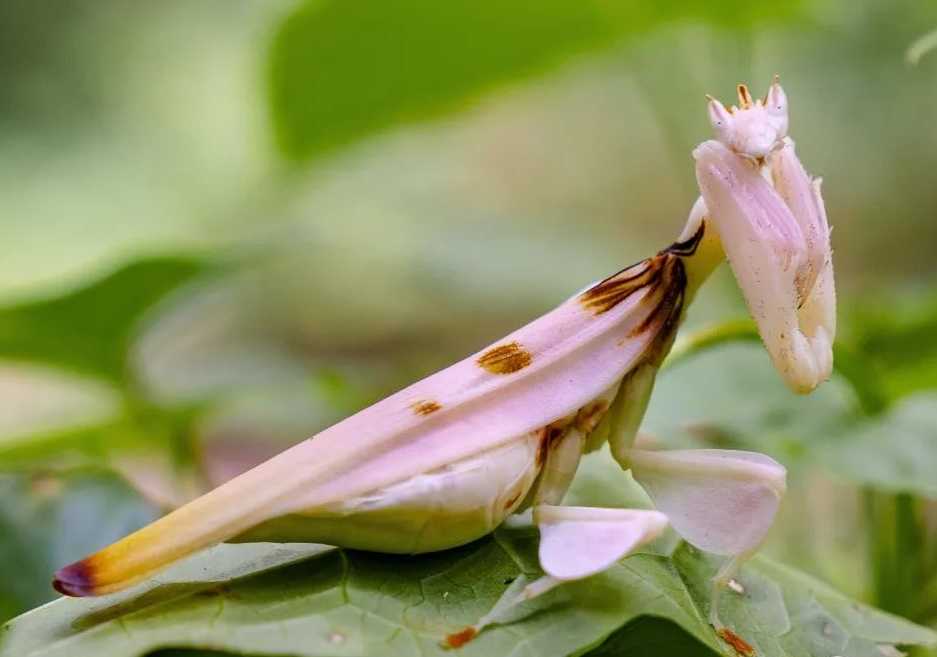
The orchid mantis (Hymenopus coronatus) stands as a marvel of evolutionary adaptation, renowned for its uncanny ability to mimic orchids—an illusion so precise it deceives both prey and observers. This species exemplifies extreme sexual dimorphism, with adult females reaching 6–7 centimeters in length, while males measure a mere 2.5 centimeters. This size disparity is matched by striking differences in appearance, making them one of the most visually distinct insect species.

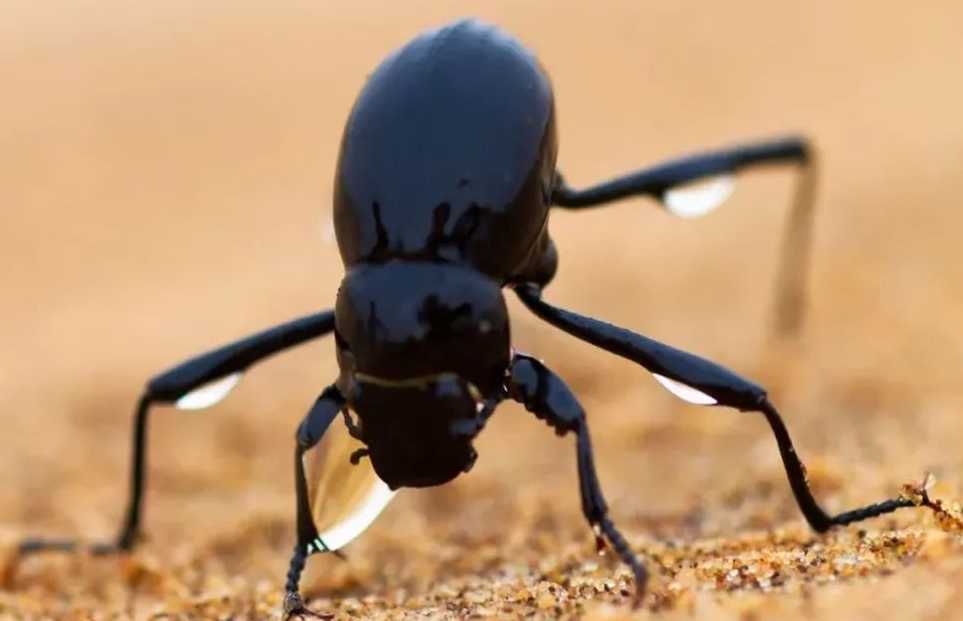
The Namib Desert Beetle (Stenocara gracilipes): Nature's Master of Fog Harvesting

The Namib Desert beetle, Stenocara gracilipes, stands as a testament to evolutionary adaptation in one of Earth’s harshest environments. This coleopteran insect, endemic to the Namib Desert of southwestern Africa, has evolved a remarkable survival strategy: harvesting fog droplets through its uniquely textured elytra, a trait that has inspired groundbreaking biomimetic water-collection technologies.

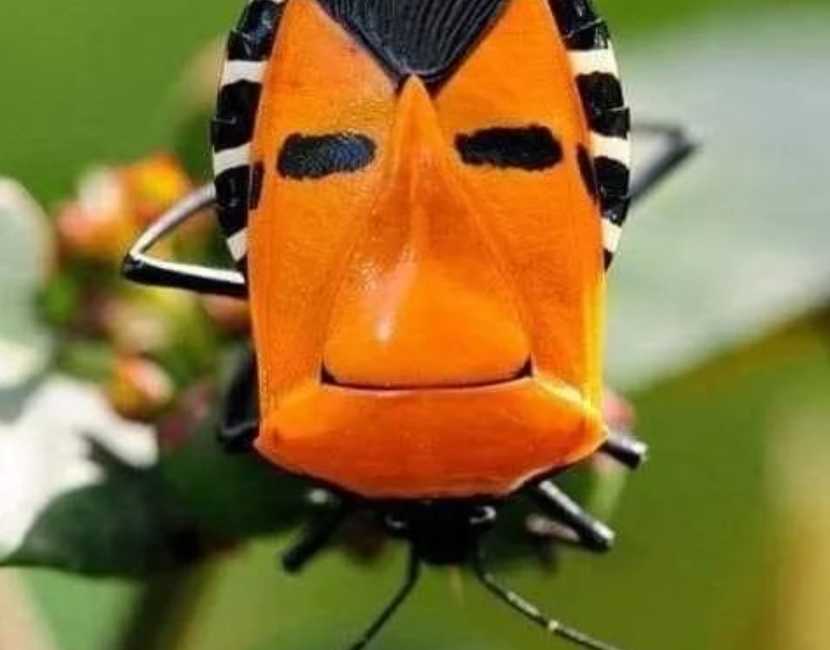
The Face Bug (Auchenorrhyncha: Proconiini): Nature's Cryptic Portraitists of Southeast Asia

The face bug, a member of the Proconiini tribe in the hemipteran suborder Auchenorrhyncha, earns its name from a remarkable evolutionary trick: the dorsal surface of its thorax and abdomen resembles a human face, complete with "eyes," "noses," and even "mouths." Native to the tropical forests of Southeast Asia, these insects showcase nature’s most whimsical form of mimicry, with each individual sporting a unique facial pattern that defies repetition.

Pages