Aquatic Organism

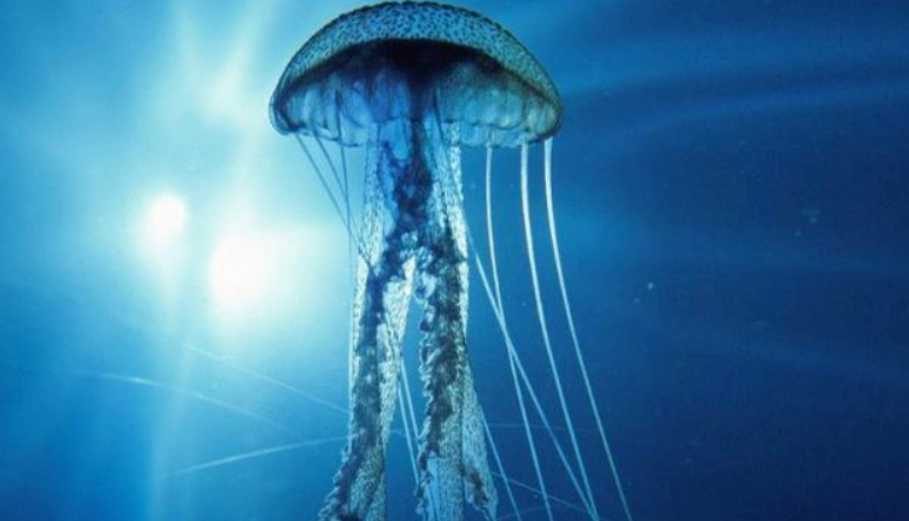
The Deadliest Predator in the Sea: Australia's Box Jellyfish

Considered the most venomous creature on Earth, box jellyfish (Chironex fleckeri) inhabit warm coastal waters worldwide, but none are more infamous than the Australian box jellyfish. With a bell-shaped body reaching up to 30 centimeters in diameter and trailing tentacles that can extend over 3 meters, this marine predator possesses a toxin so potent that a single individual’s stings can kill up to 60 adult humans. Its reign as the ocean’s silent killer is unmatched, blending transparency, speed, and lethality into a nightmare for swimmers and divers.

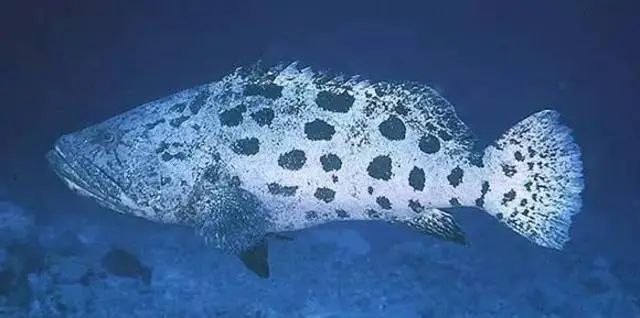
Epinephelus lanceolatus: The Majestic Giant of the Coral Reefs

Epinephelus lanceolatus, commonly known as the giant grouper or dragon grouper, is a colossal and iconic inhabitant of the Indo-Pacific oceans. Revered for its massive size and distinctive appearance, this species is the largest member of the grouper family, often reaching lengths of up to 2.7 meters and weights exceeding 400 kilograms. Its imposing presence and slow growth rate have earned it a legendary status both in marine ecosystems and among fishermen and seafood enthusiasts.

Epinephelus fuscoguttatus: The Elusive Brown-Spotted Grouper of Tropical Seas

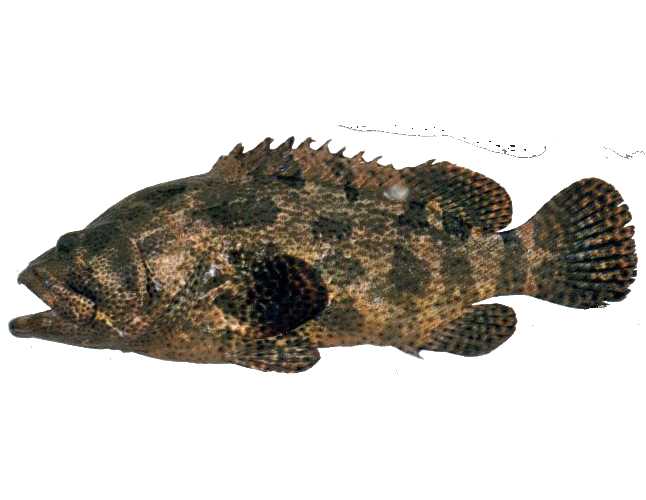
Epinephelus fuscoguttatus, commonly known as the brown-spotted grouper or brindlebass, is a striking species of marine fish thriving in the warm waters of the Indo-Pacific region. Renowned for its distinctive coloration and ecological significance, this grouper is characterized by a robust, cylindrical body adorned with small, dark brown to black spots against a light tan or grayish background, creating a camouflage that blends seamlessly with coral reefs, rocky outcrops, and seagrass beds. Growing up to 1.2 meters in length and weighing over 40 kilograms

Pearl Grouper: The Hybrid Marvel Redefining Aquaculture and Marine Ecology

Pearl grouper, scientifically a hybrid of Epinephelus lanceolatus (giant grouper) and Epinephelus fuscoguttatus (brown-spotted grouper), is a captivating fish known by aliases such as dragon-tiger grouper or pearl 斑. Developed through selective breeding in Southeast Asian aquaculture, this hybrid combines the giant grouper’s robust size with the brown-spotted grouper’s vibrant patterns, resulting in a striking appearance: a muscular body adorned with dense, pearl-like spots over a grayish-brown backdrop, with faint tiger-like stripes on its head and fins.

Epinephelus coioides: The Resilient "Green Grouper" of Tropical Waters

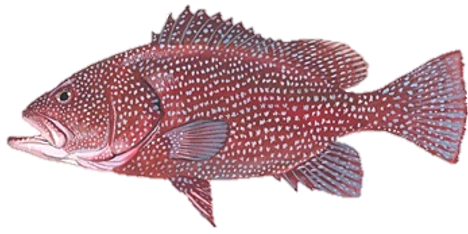
Epinephelus coioides, commonly referred to as the green grouper or blue-spotted grouper, is a prominent marine fish species inhabiting the tropical and subtropical waters of the Indo-Pacific region. Renowned for its distinctive appearance and ecological significance, this grouper has earned its nickname "green grouper" from its olive-green to grayish body, adorned with irregular blue or black spots that serve as effective camouflage against coral reefs and rocky seabeds. As a medium-sized grouper, it typically reaches lengths of 60–80 centimeters,though larger specimens can exceed 1 meter

Epinephelus tukula: The Regal "Money Grouper" of the Indo-Pacific

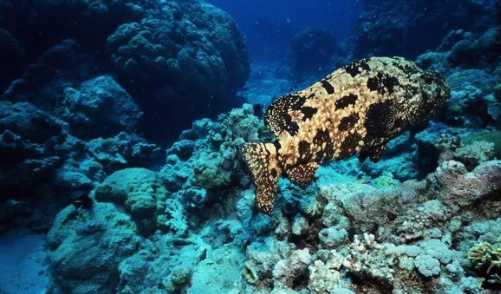
Epinephelus tukula, commonly known as the money grouper or blackspot grouper, is a majestic marine species that commands attention across the tropical waters of the Indo-Pacific. Named for the large, dark blotches resembling ancient coins that adorn its iridescent blue to grayish body, this fish combines striking aesthetics with ecological significance. Growing up to 1.2 meters in length and weighing over 50 kilograms, E. tukula ranks among the most iconic groupers, prized both for its role in reef ecosystems and its value in the seafood trade.

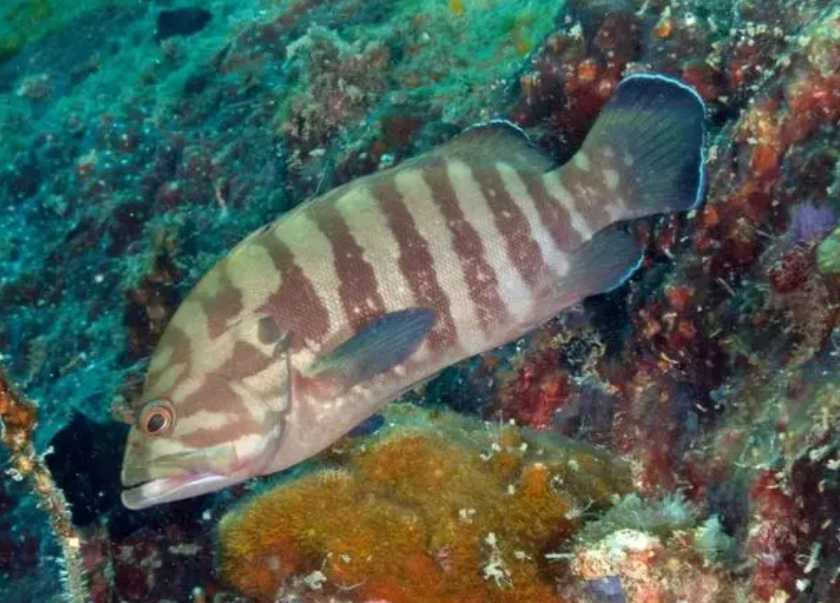
Cephalopholis boenak: The Elusive Striped Beauty of Tropical Reefs

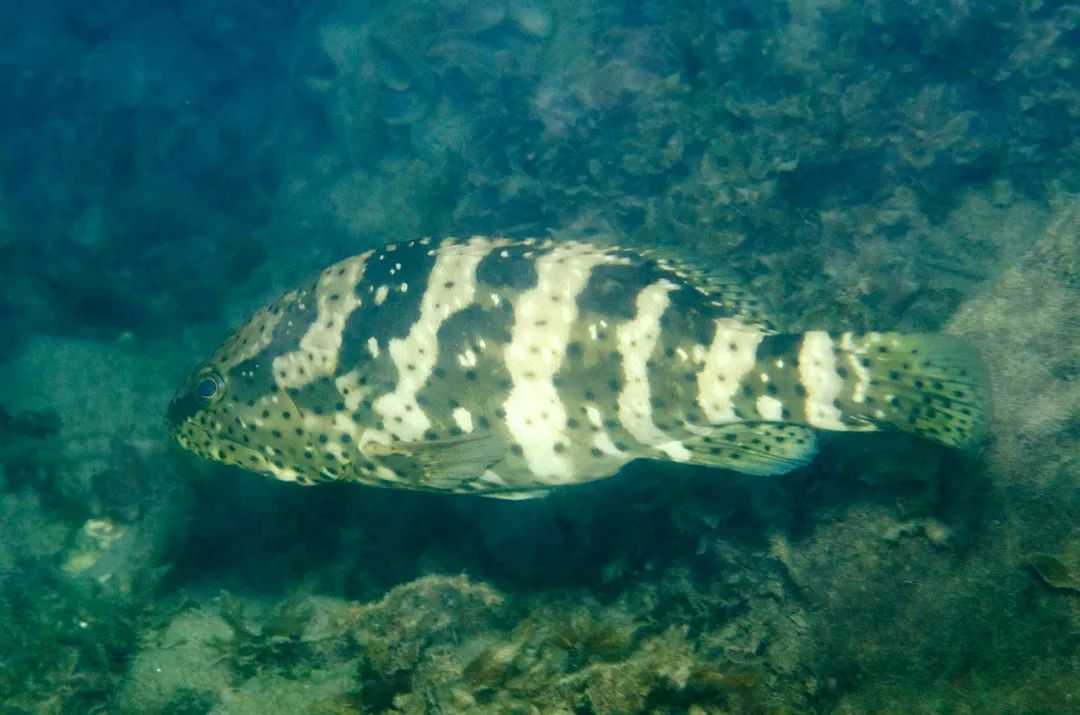
Cephalopholis boenak, commonly known as the blackspotted rockcod or striped soapfish, is a captivating species within the Serranidae family, inhabiting the vibrant coral reefs of the Indo-Pacific region. Revered for its distinctive appearance and ecological significance, this fish has earned its nicknames from its dark, almost black body adorned with prominent, parallel white or yellowish stripes, creating a striking contrast against the underwater backdrop.

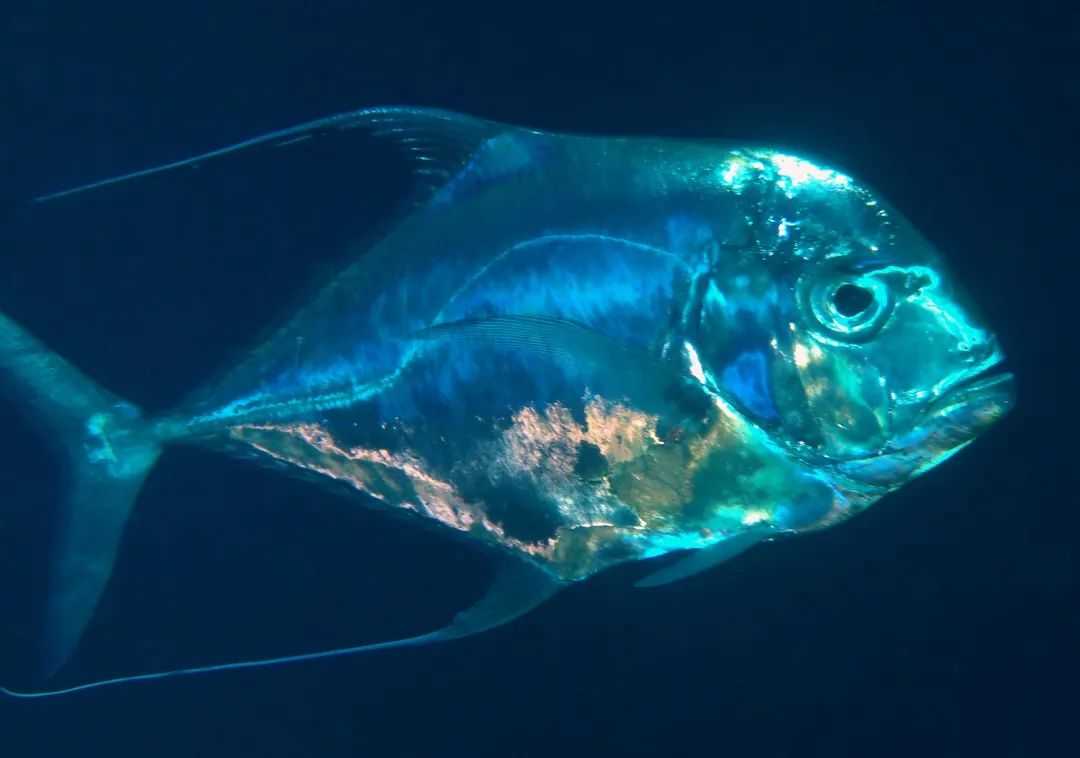
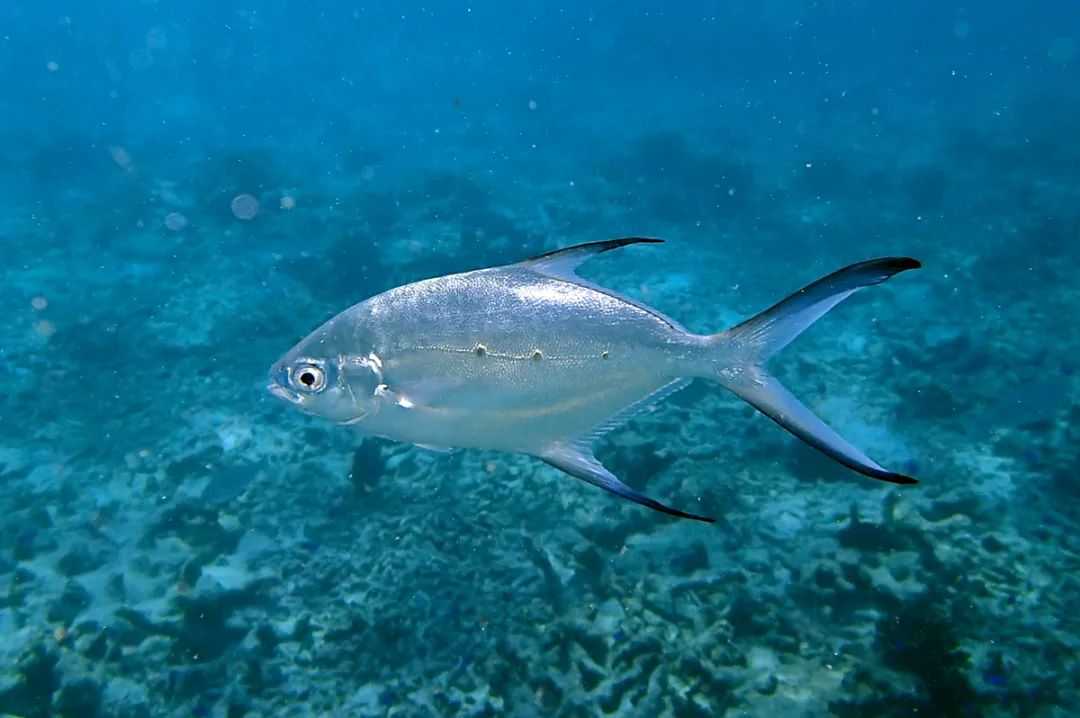
Alectis ciliaris: The Graceful Threadfin Trevally of Tropical Seas

Alectis ciliaris, commonly known as the threadfin trevally or white - whiskered trevally, is a remarkable species within the Carangidae family, inhabiting the warm waters of the Atlantic, Indian, and Pacific Oceans. Renowned for its distinctive appearance and dynamic swimming behavior, this fish has earned various nicknames from local fishermen, reflecting its elegance and importance in marine ecosystems.

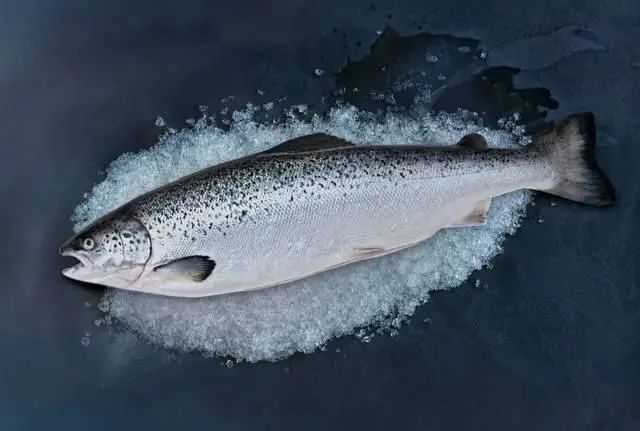
Salmon: The Iconic Fish of the Northern Waters

Salmon, commonly known as "salmon," is a group of anadromous fish species that have captured the world's attention for centuries. These remarkable creatures are renowned for their incredible life cycle, traversing vast distances between the ocean and freshwater rivers to spawn. Salmon are found in the cold waters of the North Atlantic and North Pacific Oceans, with several species, such as the Chinook, Coho, and Sockeye, each possessing unique characteristics.

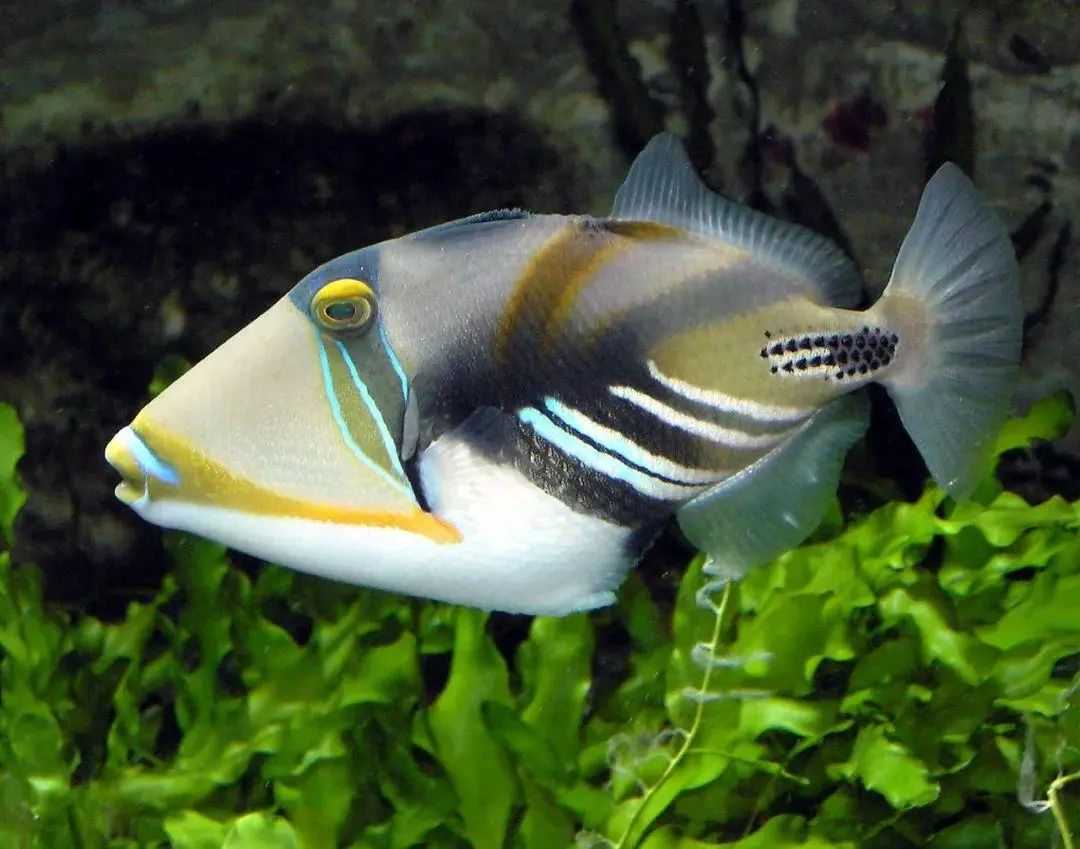
Rhinecanthus aculeatus: The Vividly Striped Triggerfish of Tropical Reefs

Rhinecanthus aculeatus, commonly known as the Picasso triggerfish or harlequin triggerfish, is a striking marine species that commands attention in the coral reefs of the Indo-Pacific region. Named for its vibrant, geometric patterns resembling works of abstract art, this fish combines a unique appearance with fascinating behaviors, making it a captivating subject for divers, researchers, and marine enthusiasts alike.

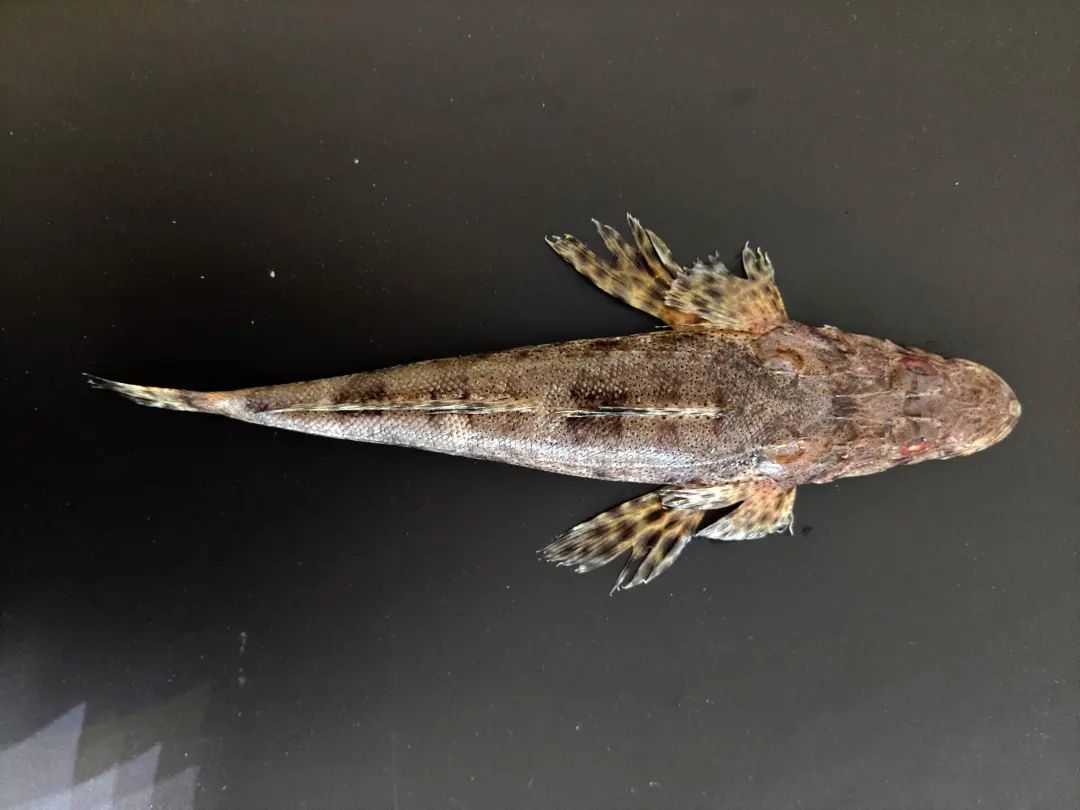
Platycephalus indicus: The Formidable Flathead of Coastal Waters

Platycephalus indicus, commonly known as the Indian flathead or by various regional names such as "ox-tail fish" and "braid fish" in northern regions, is a remarkable fish species inhabiting the coastal waters of the Indo-Pacific. Renowned for its unique appearance and a formidable defense mechanism, this fish has earned its place as both a fascinating marine subject and a prized catch for fishermen.

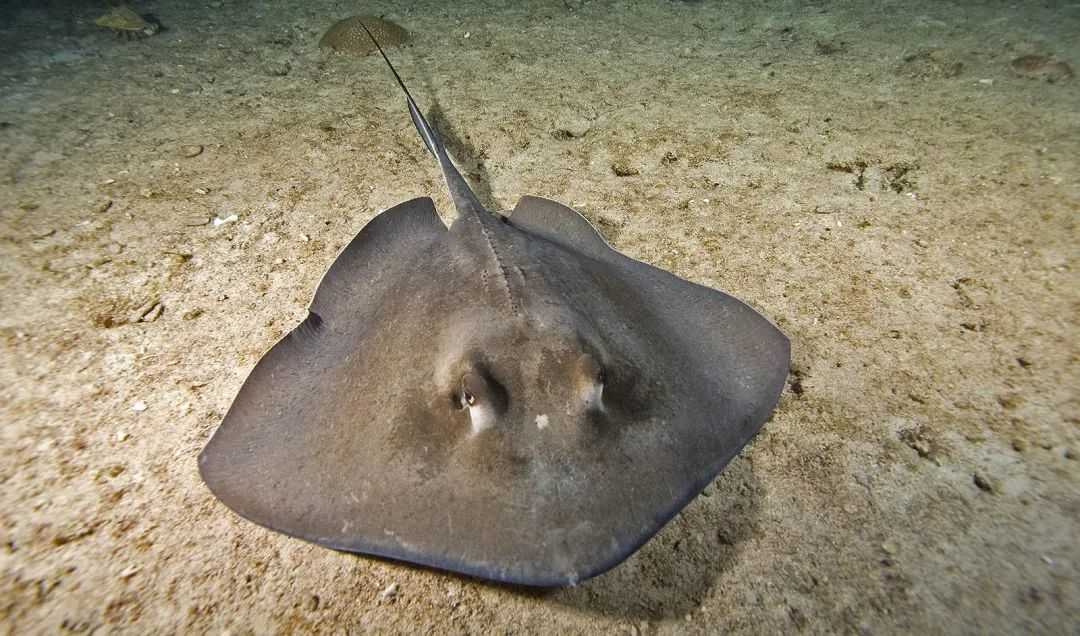
Dasyatis akajei: The Coastal Giant of the Stingray Family

Dasyatis akajei, commonly known as the red stingray or Japanese common stingray, is a prominent species within the Dasyatidae family, widely distributed along the coastal waters of the northwestern Pacific Ocean. As a member of the cartilaginous fish group, this ray is characterized by its flattened disc-shaped body, long tail, and distinctive coloration, making it a familiar sight in shallow marine and estuarine environments from China to Japan and Korea.

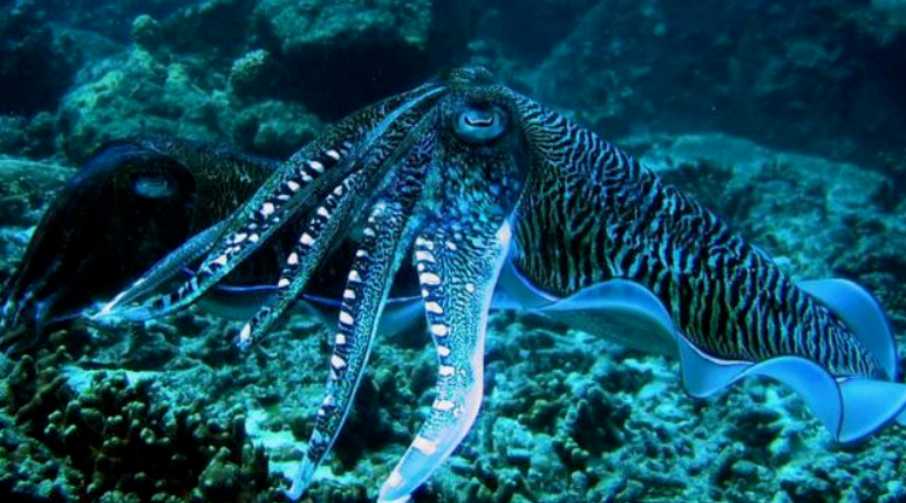
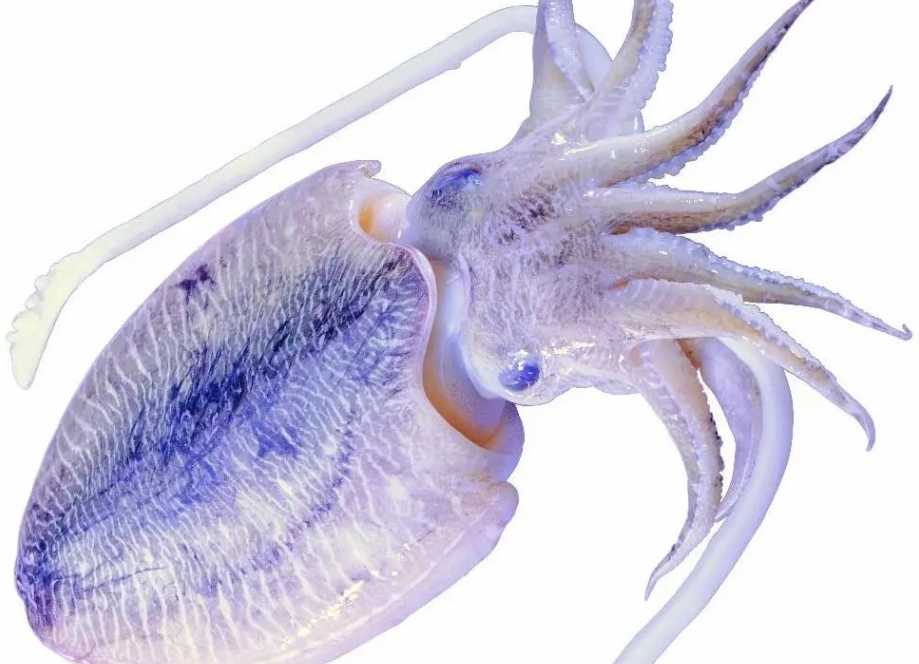
Cuttlefish: The Elusive Masters of Camouflage and Deception

Cuttlefish, belonging to the Sepiidae family within the order Sepiida, are intriguing marine mollusks commonly known as "inkfish" due to their unique defense mechanism. Found in temperate and tropical oceans worldwide, these creatures are celebrated for their extraordinary ability to change skin color and texture in an instant, combined with a distinct oval body shape that sets them apart from their close relatives, squid.

Pages