BUSINESS

Berkshire Hathaway Under Buffett: Capital Strength and Uncertain Future Horizons

Under the stewardship of Warren Buffett, Berkshire Hathaway has long leveraged insurance float as its core capital, amassing a portfolio of prime assets including Apple and Coca - Cola. In 2023, the company’s cash reserves soared to a record - high $147 billion, a clear signal of its cautious stance amidst perceived market bubbles. This financial positioning reflects Buffett’s time - tested investment acumen, but also stirs questions about the firm’s future direction.

RBNZ Likely to Pause Rate Cuts This Week; Economic Outlook Faces Pressures

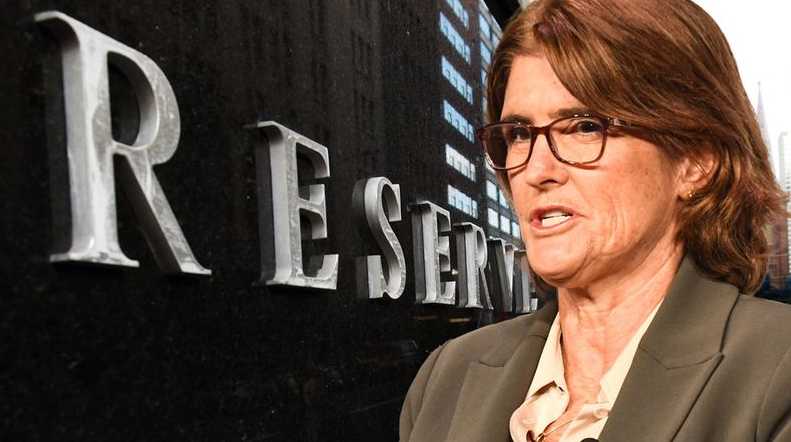
New Zealand’s Reserve Bank (RBNZ) is expected to keep the Official Cash Rate (OCR) unchanged at 3.25% on July 10, pausing its streak of six consecutive rate cuts since August 2024. Market expectations for a cut this week stand at just 15%, though most forecasts anticipate 25–50 basis points of easing by November. ANZ Bank holds a differing view, assigning a 40% probability of a cut and projecting cumulative 75 basis points of reductions by February 2025, bringing the OCR to 2.5%.

Plummeting International Student Numbers in Australia Raise Labor Shortage Fears; RBA Rate Cut Imminent

Australia is grappling with a sharp decline in international students, triggering concerns over labor market gaps. As of April 2025, the total number of international students dropped to 794,000, a decrease of 300,000 from the end of 2024. New enrollments plummeted 13% year-on-year to 219,000, while visa applications fell by over 30%. This is largely attributed to successive policy tightenings: visa fees were hiked twice in a year (from A$710 to A$1,600, then to A$2,000); English proficiency and financial proof requirements were raised


Australian Shares Edge Lower Ahead of RBA Decision; Tariff Clouds Linger

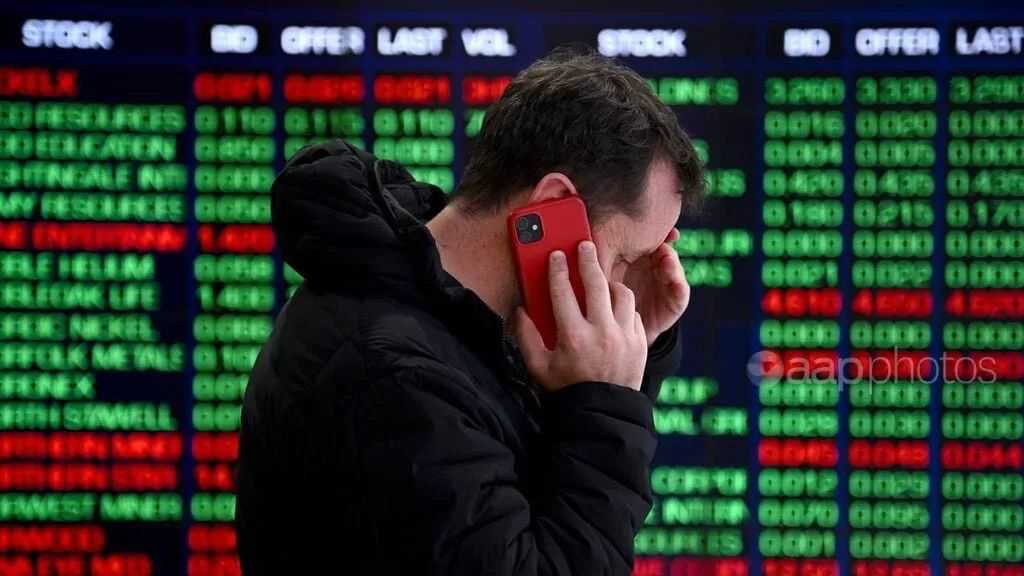
Australia’s stock market pulled back from record highs on July 7, with the S&P/ASX 200 slipping 0.16% to 8,589.3 and the All Ordinaries Index down 0.18% to 8,826.4. The decline followed confirmation that U.S. tariffs on multiple nations will take effect August 1—later than the previously expected July 10—with the U.S. Commerce Secretary stating "take-it-or-leave-it" tariff notices had been sent to over a dozen countries, stoking trade uncertainty.

German Industrial Orders Drop More Than Expected, Clouding Euro Zone Recovery

Germany’s industrial orders fell unexpectedly by 1.4% month-on-month in May, far exceeding the market’s projected 0.1% decline and ending a three-month recovery streak. Weak domestic demand emerged as the primary drag: domestic orders plummeted 7.8%, with the computer and electronics sector crashing 17.7%, while electrical equipment and basic metals industries also contracted.

UK Retailers in Cost Quagmire as Inflation Worsens and Statistical Reform Looms

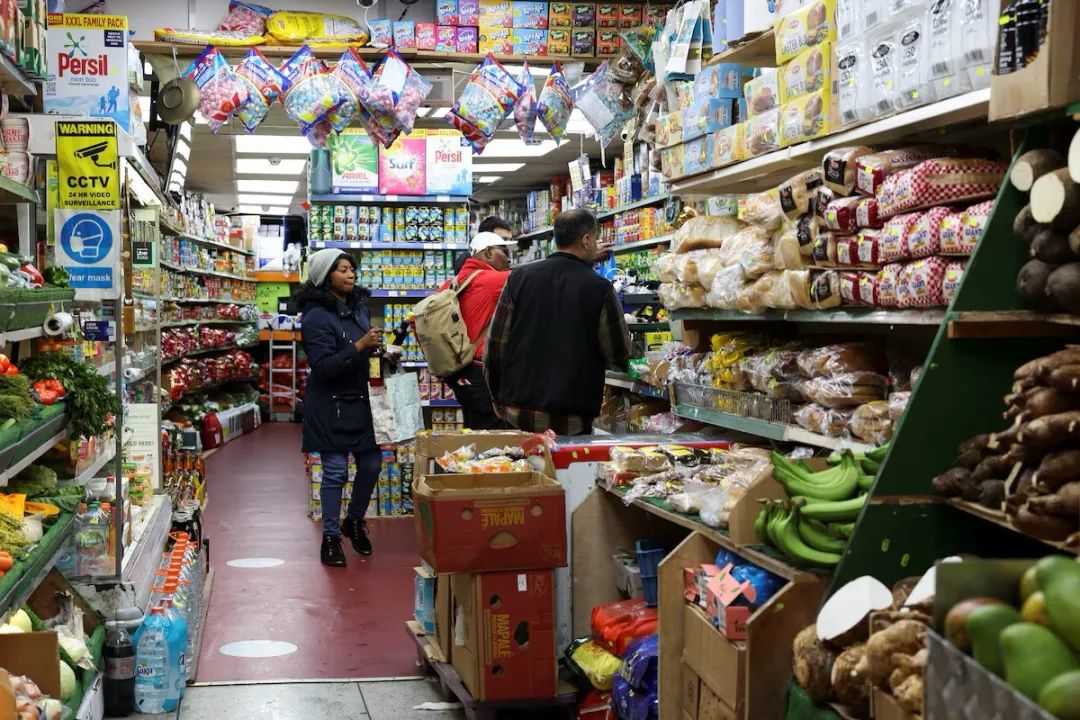
The UK retail industry is facing a tough situation as inflationary pressures intensify and statistical reforms are on the horizon. On April 29th, data showed that the inflation rate of grocery prices in the UK climbed to 3.8% (Kantar data), and the food inflation rate reached 2.6% (BRC data), hitting a one - year high. The retail sector is burdened by three major pressures. Firstly, the packaging tax that comes into effect in October will increase the costs of enterprises. Secondly, the Employment Rights Act may lead to more than half of the enterprises scaling back their recruitment.

China - Australia Trade Recovery Drives Growth in Australian Wine and Lamb Exports

In the year to March 2025, the recovery of China - Australia trade has brought good news to the Australian wine and lamb industries. The export value of Australian wine to China has soared by 1.01 billion Australian dollars to 1.03 billion Australian dollars. The return of leading wine companies such as Treasury Wine Estates has been the key driving force, leading to a 41% increase in the total export value of Australian wine to 2.64 billion Australian dollars.

Japan Considers Easing Import Car Reviews in Bid for Tariff Exemption as US-Japan Tariff Tussle Escalates

On April 29, it was learned that the Japanese government is planning to expand the "Special Treatment System for Imported Automobiles (PHP)". The annual exemption quota for each vehicle model will be increased from 5,000 units. This move is aimed at defusing the US accusation of "non - tariff barriers" against Japan. It is intended to provide bargaining chips for the second round of US - Japan trade negotiations that will kick off on the 30th.

Pages