Cutting-Edge TEC

OpenAI Unveils AI Browser Ambitions to Dethrone Chrome

OpenAI is poised to disrupt the global browser market with its upcoming AI-powered browser, designed to challenge Google Chrome’s 65.94% market dominance and reshape how users interact with the web. Built on the Chromium framework—the same foundation as Chrome—the browser integrates ChatGPT-style conversational interfaces and AI agent capabilities, aiming to transform passive browsing into an interactive, task-driven experience.

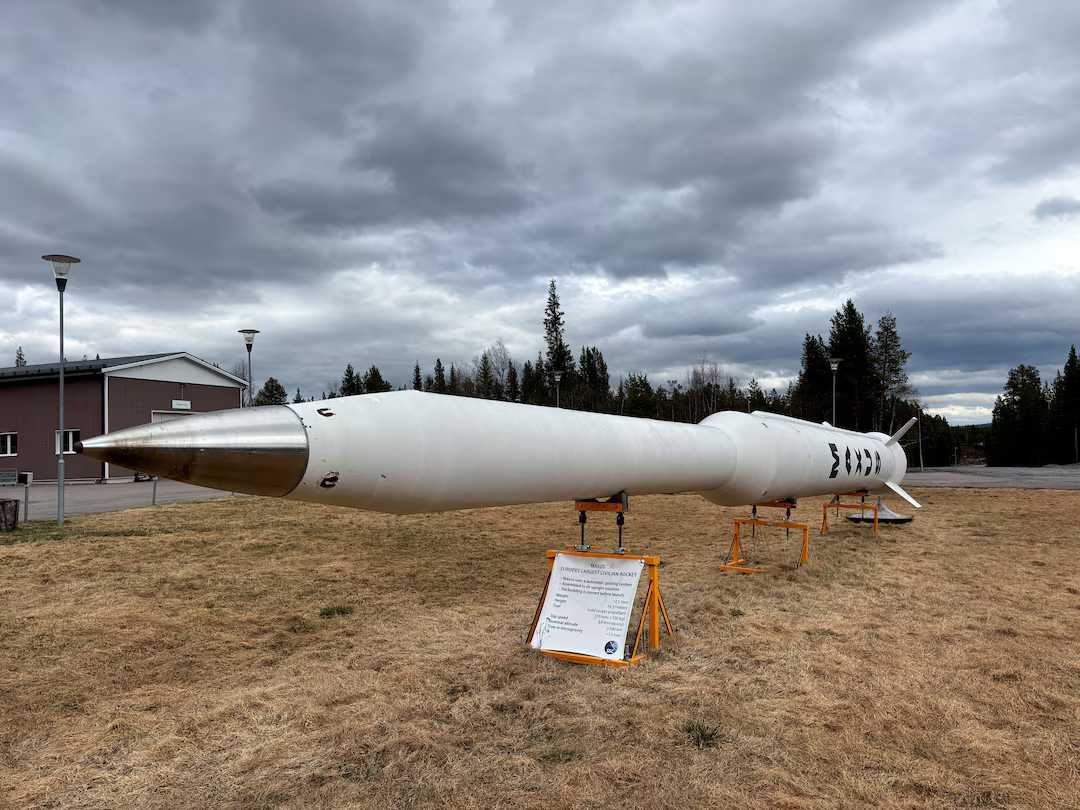
Europe Aims to Cut U.S. Reliance with Nordic Spaceport Projects

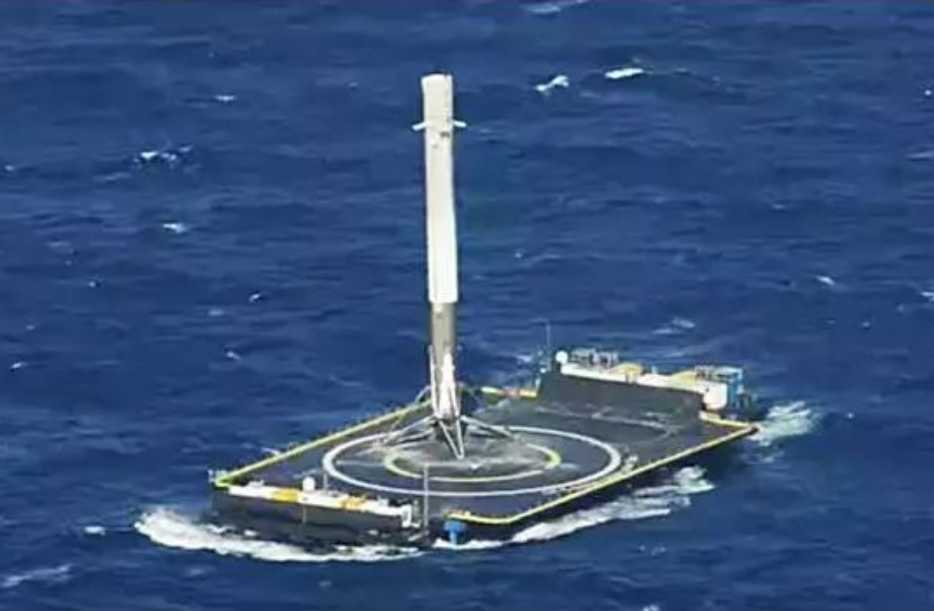
As reported by Reuters on July 10, Europe is pushing forward with building domestic launch facilities in Sweden’s Esrange and Norway’s Andøya to reduce dependence on the U.S. and strengthen its independent space capabilities. The goal is to send satellites into orbit from the European continent for the first time. Previously, Europe’s only launch site was in French Guiana, South America—its remote location and high costs made it hard to meet rising commercial and military needs.

Hydrogen Plasma - based Extraction of High - Purity Iron from Red Mud Drives Green Metallurgy

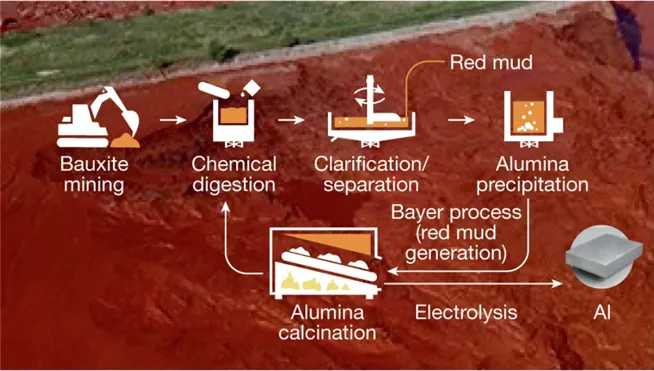
European scientists have developed a new method that uses hydrogen plasma to reduce iron oxide in red mud, capable of producing liquid iron with a purity of over 95% in just a few minutes. This process contains almost no harmful elements and is suitable for steel - making. Meanwhile, it can consume red mud, an industrial solid waste, and is expected to solve the environmental problem of 180 million tons of red mud produced annually.

Scientists Discover Potentially the Oldest Rocks on Earth in Canada

Scientists have identified what could be the world's oldest rocks in the Nuvvuagittuq greenstone belt along the coast of Hudson Bay in northeastern Canada. These rocks are at least 4.16 billion years old, about 160 million years earlier than the previously recognized oldest rocks, and are the only known surviving fragments of the Earth's Hadean - eon crust, providing a precious window into the early evolution of the Earth.

Mixed Reality: Merging VR and AR to Reshape Tech Landscape

Virtual Reality (VR) and Augmented Reality (AR) technologies have sparked immense enthusiasm in the consumer electronics market, with tech giants rushing to enter the space. After acquiring Oculus VR in 2014, Facebook is set to launch its first VR headset this year, while Samsung, Sony, and HTC also plan to roll out their VR products. The influx of capital signals that VR is poised to become the next mainstream entertainment technology.

Emerging Weapons Technologies to Reshape Battlefields Over Next 30 Years

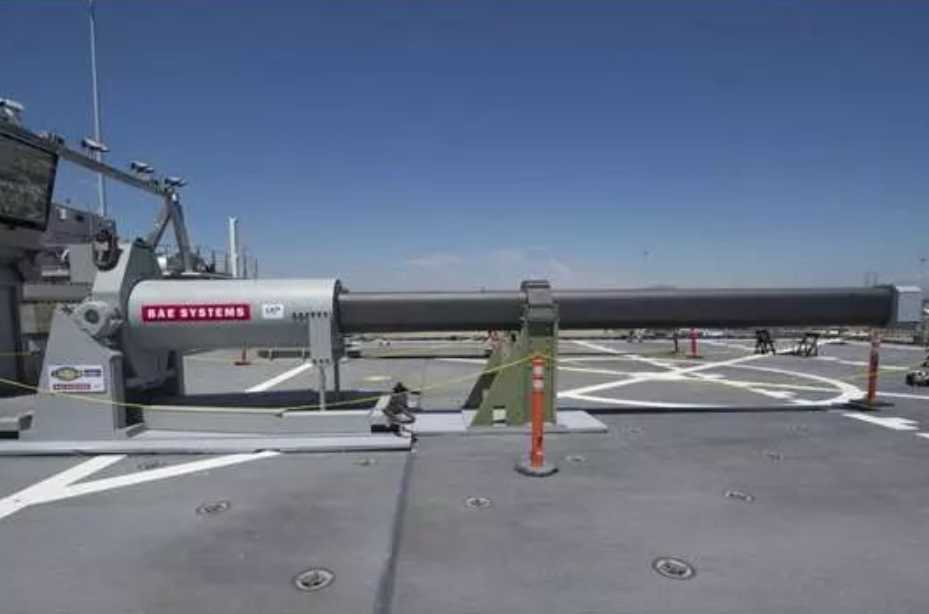
Over the next three decades, several new weapons technologies will emerge on the battlefield. Beyond currently developing non-lethal and energy weapons, multiple nations are pursuing anti-access/area denial (A2AD) systems to block military operations. A2AD technologies include anti-ship ballistic missiles, precision-guided anti-vehicle and anti-personnel weapons, counter-rocket, artillery, and mortar (CRAM) systems, anti-satellite weapons, and electromagnetic pulse (EMP) devices.

FATF and BIS Highlight Systemic Risks of Stablecoins to Global Financial Stability

On June 24, the Financial Action Task Force (FATF) warned that stablecoins have become a preferred tool for illegal activities such as money laundering and terrorist financing. Their anonymity and borderless transaction features facilitate illicit use, while lagging global regulation and conflicting jurisdictions have amplified fraud risks. FATF emphasized that regulatory failures in a single jurisdiction could trigger global ripple effects.

Hong Kong Unveils Ambitious Digital Asset Policy 2.0 to Lead Global Race

Hong Kong has launched its Digital Asset Policy Statement 2.0, marking a pivotal upgrade from its 2022 predecessor to solidify its position as a global leader in digital assets. The June 27 announcement emphasizes stablecoin regulation and asset tokenization as core priorities, aligning with the U.S. Senate’s recent passage of the Genius Act to regulate stablecoins, signaling intensified global competition in this burgeoning sector.

WEF Unveils Top 10 Emerging Technologies of 2025 at Summer Davos

At the 16th Summer Davos Forum on June 25, the World Economic Forum (WEF) officially released its 2025 list of Top 10 Emerging Technologies. The selected technologies include collaborative sensing, generative watermarking, green nitrogen fixation, nanozymes, engineered living therapies, GLP-1 drugs for neurodegenerative diseases, autonomous biochemical sensing, structural battery composites, osmotic energy generation systems, and advanced nuclear energy technologies.

Pages