Economy

BOJ Warns of Food Price-Driven Inflation; U.S. Tariffs Could Severely Hurt Japan's GDP

Bank of Japan board member Junko Kotani warned on July 9 that surging prices of rice and other foodstuffs are intensifying inflationary pressures, urging vigilance against "second-round effects" that might lift household inflation expectations. Japan’s consumer inflation remains around 3%, but the BOJ’s weighted median inflation gauge—closely watched by policymakers—still lags below the 2% target. Kotani noted economic uncertainty makes it premature to pinpoint the next rate hike, with food prices a critical variable.

RBA Pauses Rate Cuts; Mortgage Stress Shows Regional Divergence

Australia’s central bank held its cash rate at 3.85% on July 9, with the Monetary Policy Committee voting 6-3 to wait. While May inflation dipped to 2.1% (core 2.4%, a 3.5-year low), June’s CPI was "slightly stronger than expected," and rising global trade policy uncertainties—like U.S. tariff hikes—prompted the RBA to seek more data confirming inflation’s steady move toward the 2.5% target.

Canada Accelerates Trade Diversification to Counter U.S. Tariff Shocks

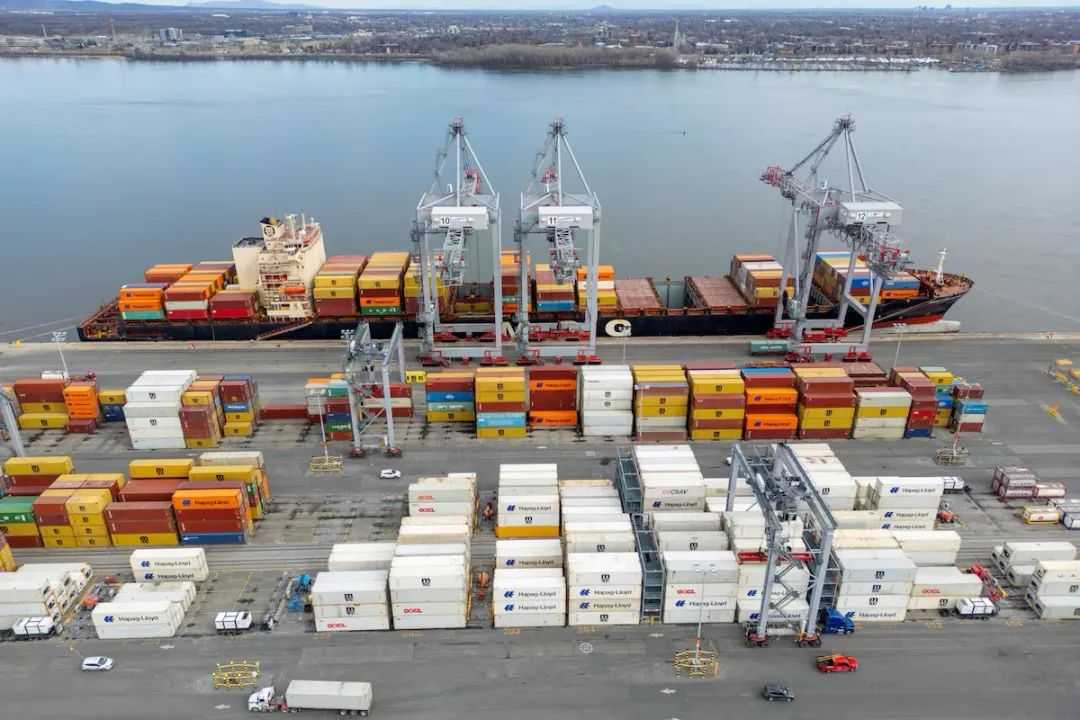
Canada is pushing faster trade diversification to fend off U.S. tariff impacts: its U.S. export share dropped 10 percentage points to 68% between May 2024 and May 2025, with auto parts and steel hit hardest. Over the period, U.S.-bound exports fell C$7.7 billion (-15%), while gains to the UK, EU, and Asia-Pacific (C$5.7 billion, +42%) failed to offset the gap.

Ireland Revises Q1 GDP Down, Germany’s Exports Slide on U.S. Tariff Shifts

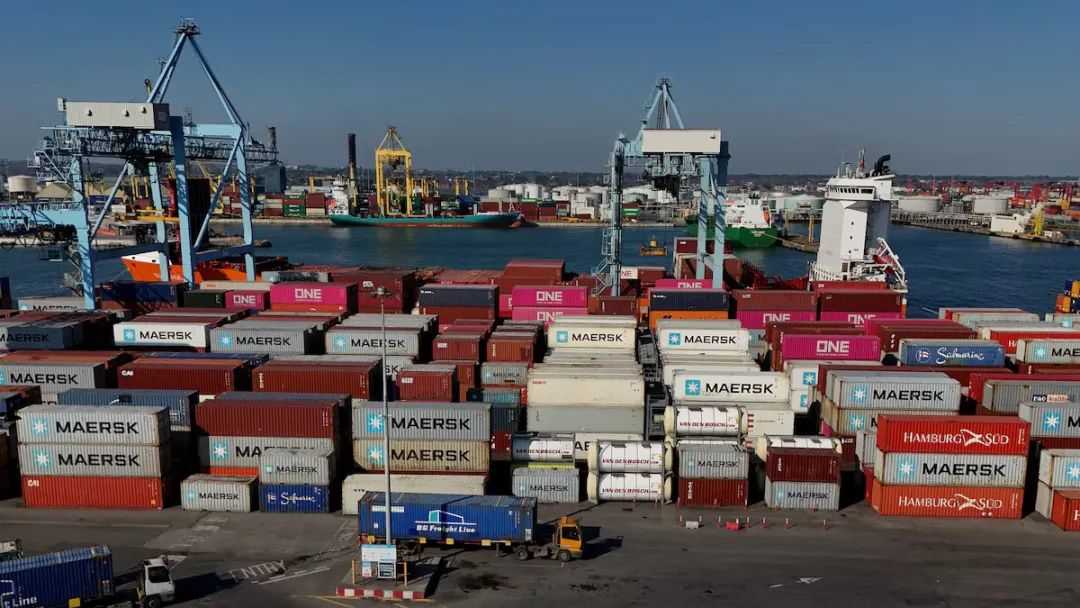
Ireland’s CSO sharply revised Q1 GDP growth on July 8: annual expansion was cut to 7.4% from 9.7%, as surging U.S. pharmaceutical exports faded. The more indicative Modified Domestic Demand (MDD) was revised up to 2.0% from 0.8%, though 2024 full-year MDD growth was trimmed to 1.8% from 2.7%. GNI*, stripping multinationals’ distortions, showed 4.8% 2024 growth, highlighting GDP’s skew from cross-border capital flows.

Japan's Corporate Bankruptcies Hit 11-Year Half-Year High, Pressures Mount

Japan saw 4,990 corporate bankruptcies in H1 2025, up 1.19% year-on-year and the highest H1 tally since 2014. Small businesses bore the brunt: 172 firms collapsed directly due to labor shortages—a record—with 89.8% of failed companies employing fewer than 10 people. They faced a vicious cycle: forced to raise wages but unable to absorb costs, widening the "pay gap" with large corporations.

Euro Zone Shows Recovery Signs as Sentix Hits 3-Year High, German Industry Rebounds

The euro zone’s economic outlook brightened in July: the Sentix Investor Confidence Index surged to 4.5 (up from 0.2), a three-year peak and third straight rise. The current conditions sub-index improved to -7.3 (still contracting), while the expectations gauge jumped to 17.0, signaling optimism. Germany’s index rose to -0.4 (highest since February 2022), with its current conditions improving for five months. Analysts warn sustained recovery could limit the ECB’s rate-cut room.

Japan's Real Wages See Steepest Drop in 20 Months, Straining Consumption Recovery

A core contradiction has emerged in Japan’s economy: inflation-adjusted real wages plummeted 2.9% year-on-year in May (following a -2.0% decline in April), marking the sharpest drop in 20 months and extending a five-month streak of contraction. This was driven by persistent inflation—running at 4% when excluding fresh food but including rent costs—outpacing nominal wage growth, which slowed drastically to 1.0% (to ¥300,000) from 2.0% in April, hitting a 14-month low.

RBNZ Likely to Pause Rate Cuts This Week; Economic Outlook Faces Pressures

New Zealand’s Reserve Bank (RBNZ) is expected to keep the Official Cash Rate (OCR) unchanged at 3.25% on July 10, pausing its streak of six consecutive rate cuts since August 2024. Market expectations for a cut this week stand at just 15%, though most forecasts anticipate 25–50 basis points of easing by November. ANZ Bank holds a differing view, assigning a 40% probability of a cut and projecting cumulative 75 basis points of reductions by February 2025, bringing the OCR to 2.5%.

Plummeting International Student Numbers in Australia Raise Labor Shortage Fears; RBA Rate Cut Imminent

Australia is grappling with a sharp decline in international students, triggering concerns over labor market gaps. As of April 2025, the total number of international students dropped to 794,000, a decrease of 300,000 from the end of 2024. New enrollments plummeted 13% year-on-year to 219,000, while visa applications fell by over 30%. This is largely attributed to successive policy tightenings: visa fees were hiked twice in a year (from A$710 to A$1,600, then to A$2,000); English proficiency and financial proof requirements were raised


Pages