Microscopic World

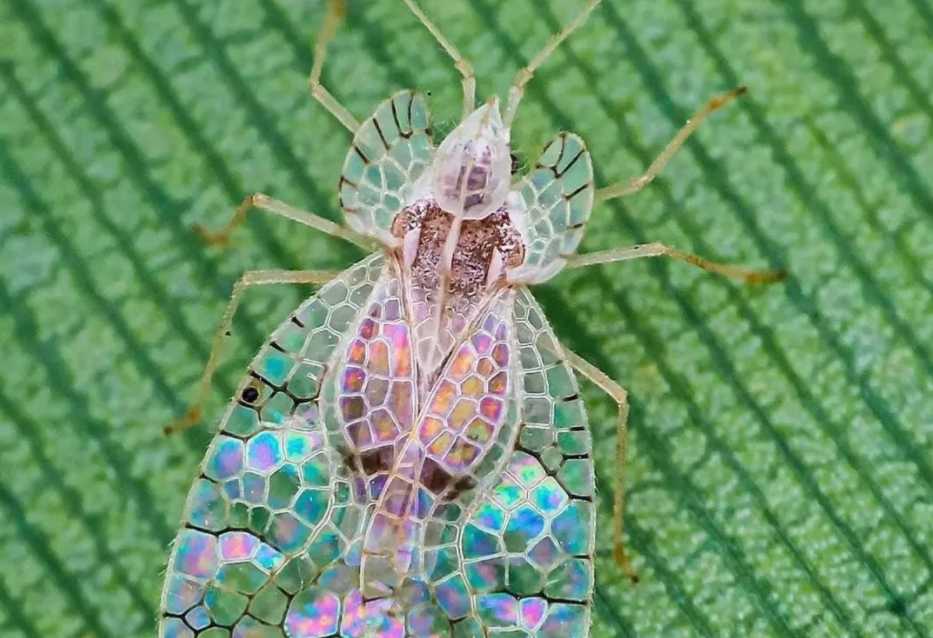
The Lace Bug: Nature's Living Stained Glass Masterpiece

In the realm of tiny arthropods, lace bugs (family Tingidae) stand out as living works of art, their bodies resembling intricate stained glass windows crafted from iridescent, lace-like exoskeletons. These minuscule insects, typically measuring 2–7 mm, adorn leaves in tropical and temperate regions, their translucent wings and thoraces patterned with geometric grids, spikes, and ornate reticulations that shimmer in the light.

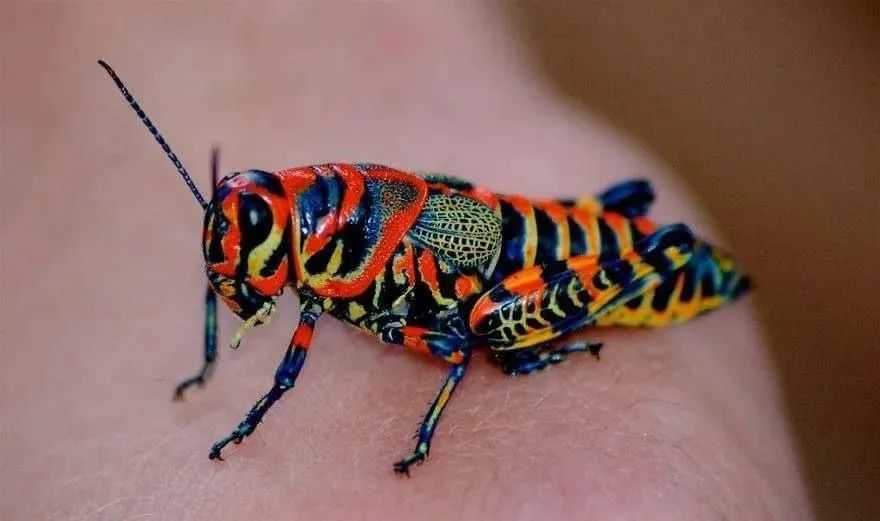
The Rainbow Grasshopper: A Vibrant Jewel of North America's Arid Plains

Native to the arid grasslands and sparse shortgrass habitats of North America, the rainbow grasshopper (Dactylotum bicolor) dazzles with its striking array of hues, defying the muted tones of its dry, sun-baked environment. This medium-sized orthopteran, also known as the painted grasshopper, showcases a vivid palette of red, orange, yellow, blue, and purple on its abdomen, legs, and wings, making it one of the most colorful insects in the region.


The Beech Tree That Mysteriously Grew to Resemble a Giant Human Form

Deep in the heart of Bulgaria’s Balkan Mountains, a beech tree has astonished locals and visitors alike with its uncanny resemblance to a giant human figure. The tree, located in a remote forest region, appears to have formed natural "limbs," a "chest," and even a "head" that mimic the proportions of a human body, sparking wonder and speculation about its extraordinary shape.

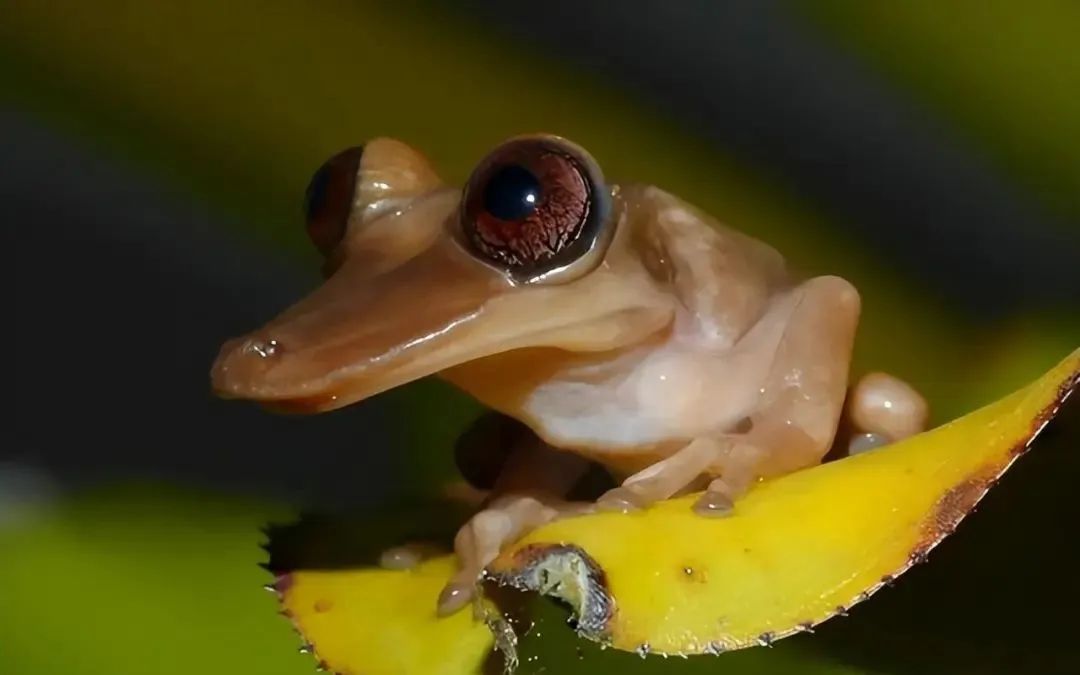
The Duck-Billed Tree Frog: Nature's Quirky Amphibian Marvel

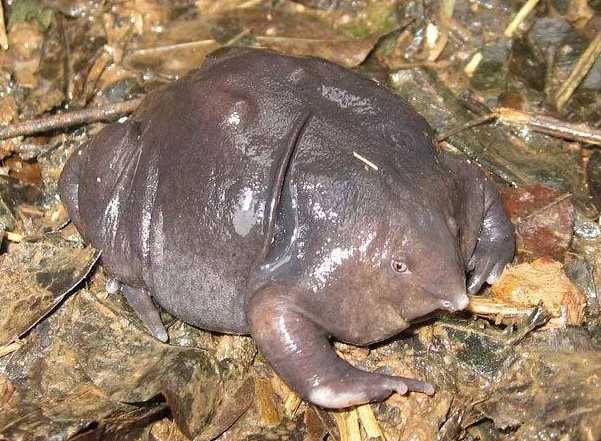
Deep in the rainforests of Central and South America, a peculiar amphibian with a bill-like snout has captivated herpetologists: the duck-billed tree frog (Hyla labialis). This arboreal species, named for its flattened, downward-curving snout that resembles a duck’s bill, showcases nature’s whimsical approach to adaptation, blending functionality with an unforgettable appearance.

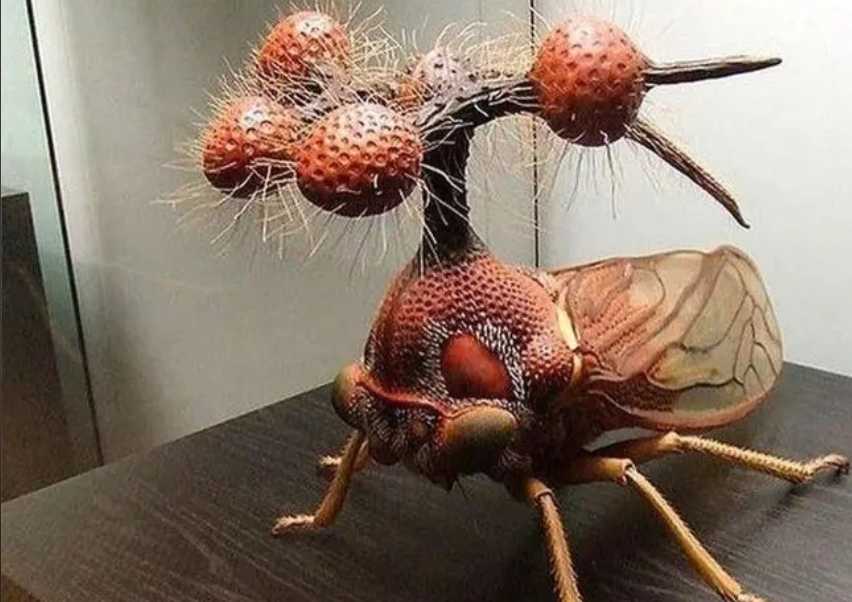
The Brazilian Four-Tubercled Treehopper: Nature's Bizarre 'Helicopter' Insect

Deep in Brazil’s rainforests, a tiny insect has evolved an otherworldly appearance: the four-tubercled treehopper (Bocydium globulare), whose head is crowned with bulbous, hairy projections resembling a miniature helicopter. This remarkable bug, part of the family Membracidae, showcases nature’s most whimsical adaptation, blending survival strategy with an almost sci-fi aesthetic.

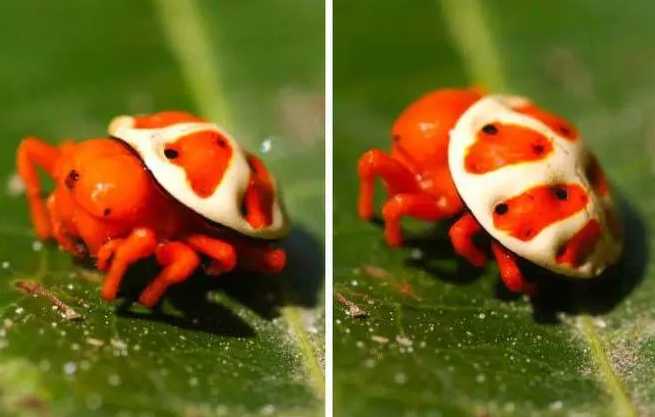
The Orange Turtle Spider: Nature’s Bizarre Blend of Arachnid and Reptile Traits

Deep in the tropical forests of Southeast Asia, a spider defies all expectations with its vibrant hue and shell-like back: the orange turtle spider (Cephalothorax aurantiacus). Unlike typical arachnids, this species boasts a vivid orange exoskeleton and a domed, segmented "shell" on its abdomen, creating an uncanny resemblance to a tiny turtle—a design that has fascinated entomologists and nature enthusiasts alike.

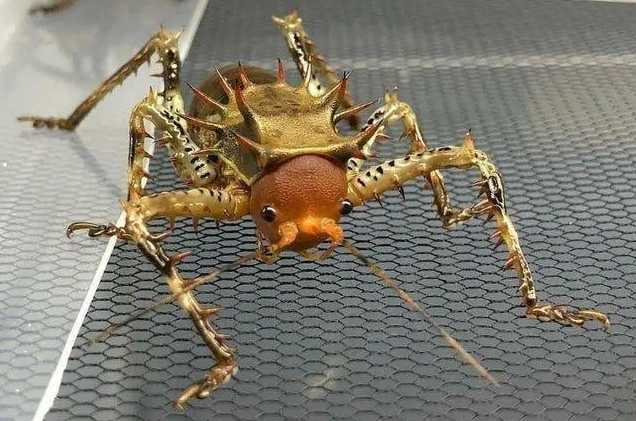
The Cameroon Armored Tree Cricket: Nature’s Golden Warrior Insect

In the dense forests of Cameroon, an insect emerges that resembles a tiny ant clad in golden armor: the Cameroon armored tree cricket (Acanthoplus discoidalis). This remarkable orthopteran, part of the family Tettigoniidae, showcases a striking exoskeleton of iridescent gold and bronze, combined with spiky projections that give it the appearance of a miniature warrior ready for battle.

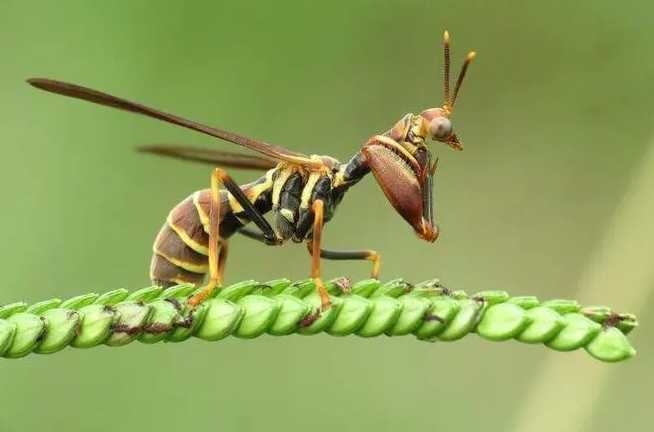
The Wasp Mantisfly: A Hybrid Predator That's Neither Mantis Nor Wasp

In the tropical and subtropical regions of the world, the wasp mantisfly (Climaciella brunnea) perplexes observers with its split identity: the front half resembles a praying mantis, while the rear mimics a wasp. This insect, part of the family Mantispidae, is a master of evolutionary mimicry, blending features of two fearsome species to create a creature that defies easy classification.

The Fire Snail: A Vividly Colored Giant Endemic to the Malay Peninsula

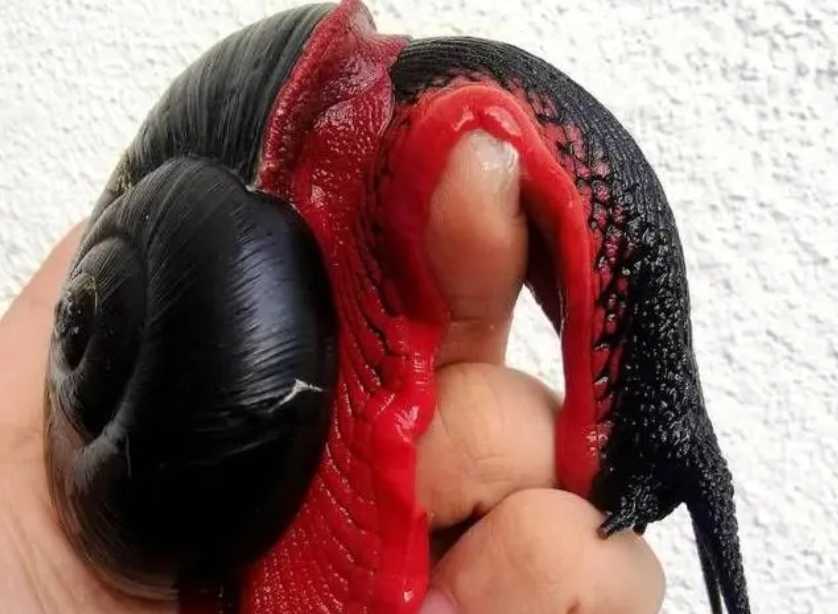
Native to the rainforests of the Malay Peninsula, the fire snail (Scalyfoot snail, Chrysomallon squamiferum) astonishes with its striking hue and imposing size, standing out as one of nature’s most vibrant gastropods. Unlike ordinary snails, this endemic species boasts a shell dyed in intense shades of scarlet, orange, and deep burgundy, resembling a smoldering ember—a coloration that has captivated biologists and nature enthusiasts alike.

The Bizarre Hallucigenia: Once Earth’s Most Abundant Animal

The Hallucigenia, an enigmatic creature from the Cambrian period, remains one of paleontology’s strangest mysteries. With a tubular body adorned by spines and paired appendages, this worm-like animal once thrived in ancient seas, dominating ecosystems as one of Earth’s most populous species—only to vanish millions of years ago, leaving behind fossil clues that perplex scientists.

The Satanic Leaf-Tailed Gecko: A Master of Camouflage Named for Its Dead-Leaf Tail

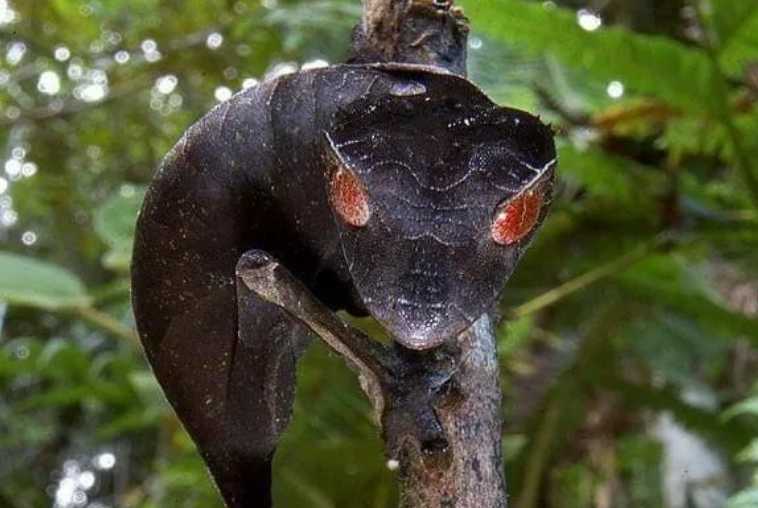
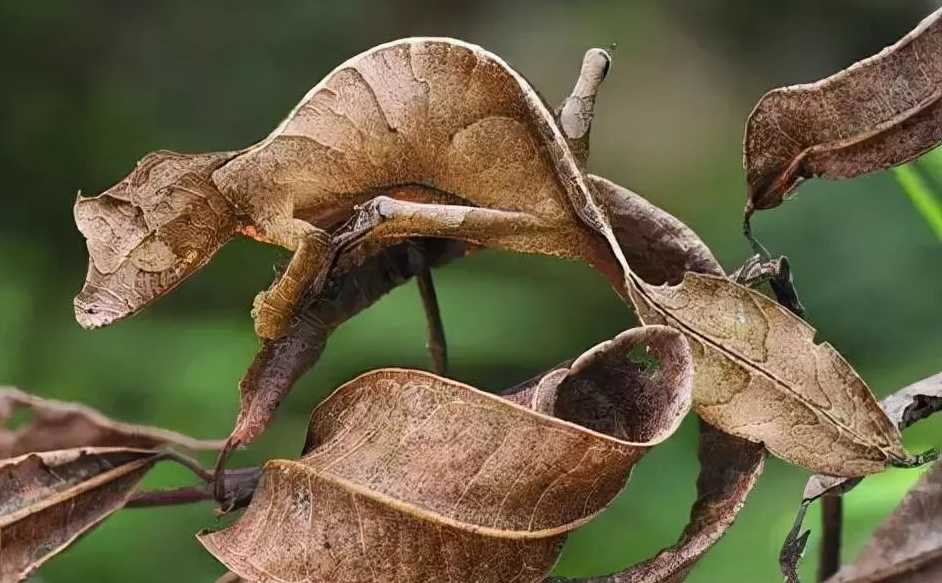
Native to the rainforests of Madagascar, the Satanic leaf-tailed gecko (Uroplatus phantasticus) earns its dramatic name from a tail that perfectly mimics a decaying leaf—ripped edges, veins, and even brownish "spots" that blend seamlessly with forest litter. This nocturnal reptile, one of the most iconic examples of evolutionary camouflage, has captivated herpetologists and nature enthusiasts with its otherworldly appearance and cryptic lifestyle.

The Galamaso Gecko: Nature’s Elusive Tree-Dweller with Spectacular Dermal Flaps

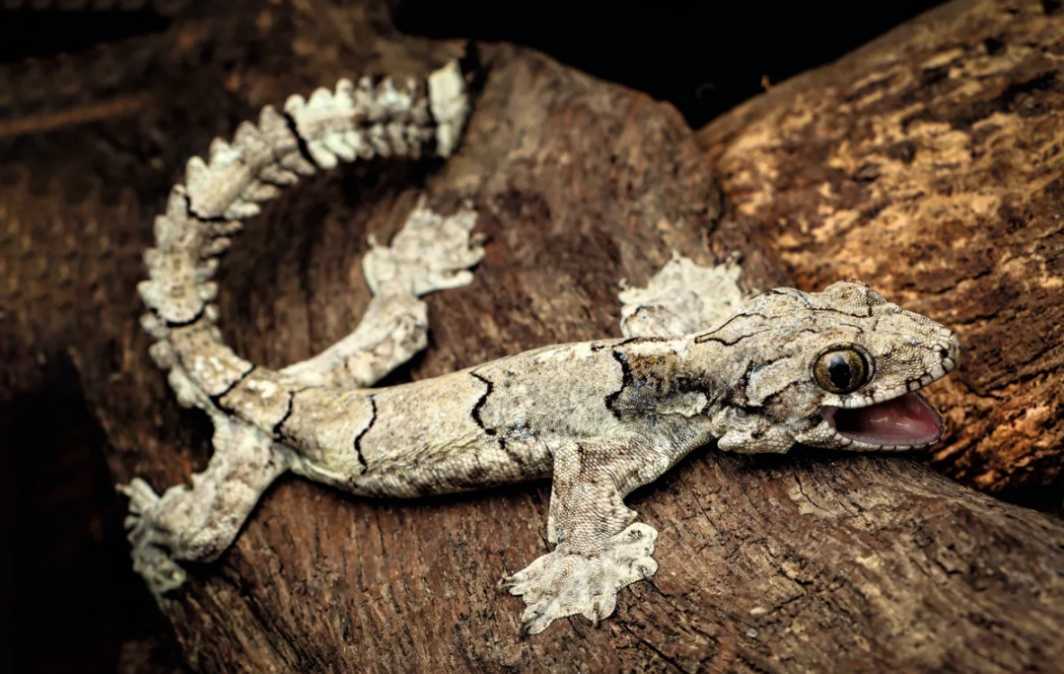
The Galamaso gecko, a nocturnal arboreal lizard, captivates herpetologists with its most distinctive feature: large dermal flaps encircling the head, trunk, limbs, and tail. Native to the dense rainforests of Southeast Asia, this elusive reptile has evolved remarkable adaptations to thrive in its canopy habitat, using its fringed appendages for both camouflage and survival in the forest’s vertical world.

Pages