Microscopic World

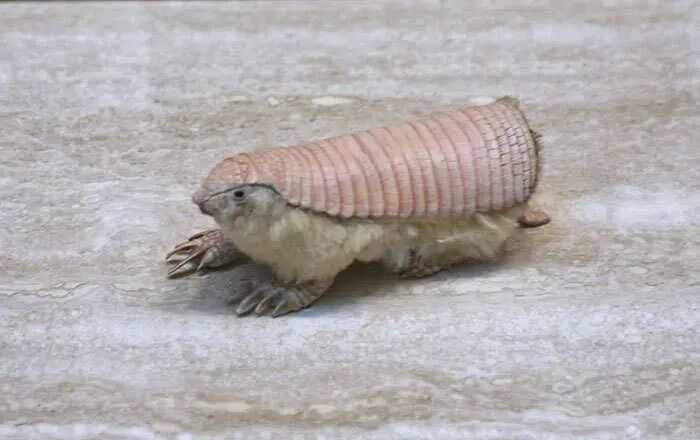
The Pink Fairy Armadillo: World’s Tiniest Armor-Clad Wonder with a Fluffy Pink Hue

Known as the pygmy armadillo or pink fairy armadillo (Chlamyphorus truncatus), this species holds the title of the smallest armadillo. Excluding its tail, it measures just 90 to 115 millimeters in length, blending delicate pink scales with a velvety white underbelly. Native to Argentina’s central grasslands, it’s a master of subterranean life, rarely seen above ground.

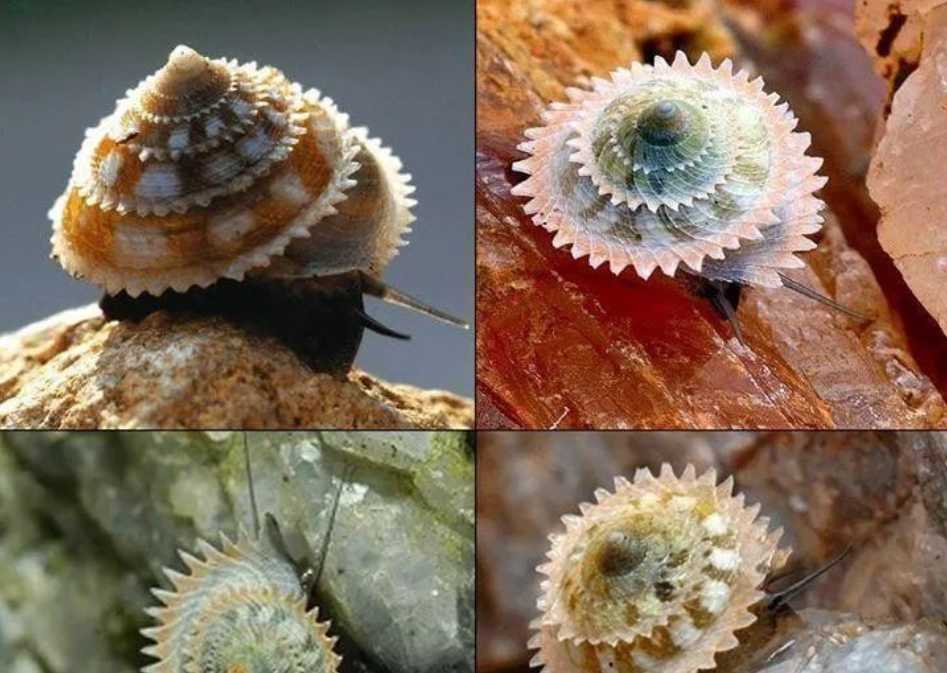
Cuba’s Iconic Star-Wheeled Saw Snail: A Serrated Marvel Unique to Earth’s Ecosystems

Native to Cuba’s limestone-rich regions, the star-wheeled saw snail (Priotrochatella stellata) stands as a testament to nature’s evolutionary artistry. This critically endangered gastropod, endemic to the Caribbean island, is instantly recognizable by its geometrically serrated shell—unmatched by any other snail species. Discovered in the mid-19th century, this 12–15 mm mollusk thrives in humid forests despite mounting threats.

Cuba’s Enigmatic Callonia Snail: Scaled Funnel Shell Redefines Mollusk Morphology

Endemic to Cuba’s mist-shrouded mountain ranges, the Callonia snail (genus Callonia) perplexes biologists with its scale-covered, funnel-shaped shell—an evolutionary departure unmatched in the mollusk kingdom. Discovered in the 1930s, this rare gastropod thrives in cloud forests above 1,000 meters, its unique form hinting at adaptations to Cuba’s karst landscapes. Though poorly studied, its striking shell has become a symbol of island biodiversity under threat.

Ecuador’s 'Popcorn Bug': Flying Planthopper Nymphs Defy Predators with Waxy Camouflage

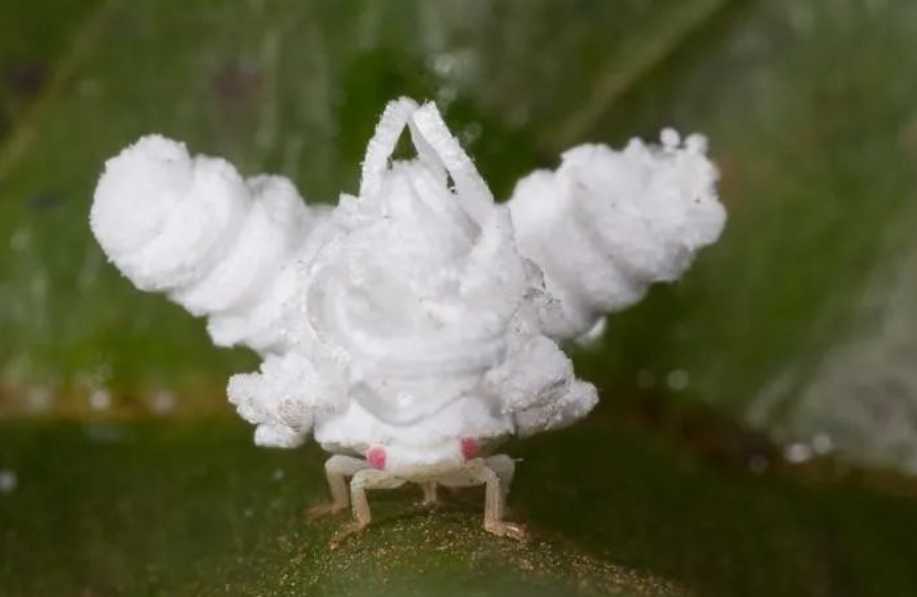
Deep in Ecuador’s cloud forests, a tiny insect nicknamed the "popcorn bug" has captivated scientists with its uncanny resemblance to a flying kernel of popcorn. The nymph stage of a Fulgoridae planthopper, it secretes a fluffy waxy coating that transforms it into a living mimic of bird droppings or spider cocoons—while flitting through the air like a speck of popped corn. Discovered in the Andean foothills, this insect’s survival strategy showcases nature’s most whimsical defenses.

The Indigo Mosquito: South America’s Stunning yet Deadly Rainforest Jewel

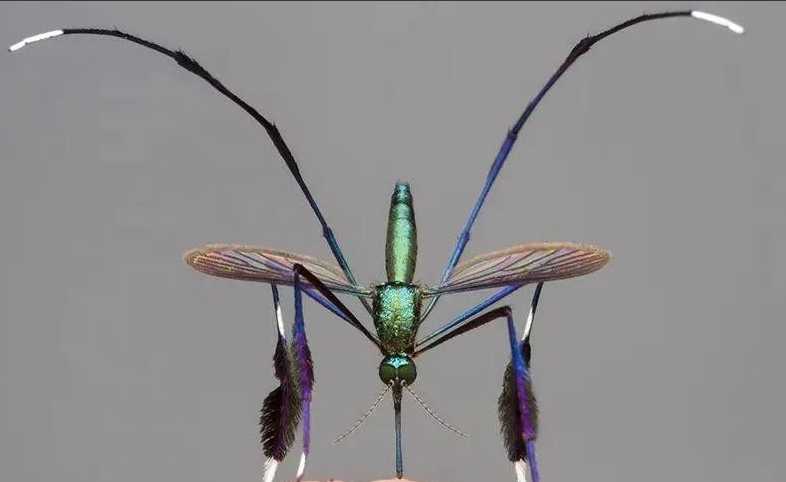
Regarded as the world’s most beautiful mosquito, the indigo mosquito (Sabethes cyaneus) mesmerizes with its iridescent metallic blue and purple hues, while its legs shimmer in feathery scales. Native to South America’s rainforests, this species’ dazzling appearance masks a dangerous reality: it’s a blood-sucking vector of yellow fever, blending aesthetic splendor with biological threat.

Pages