National Sci-Tech

WEF Unveils Top 10 Emerging Technologies of 2025 at Summer Davos

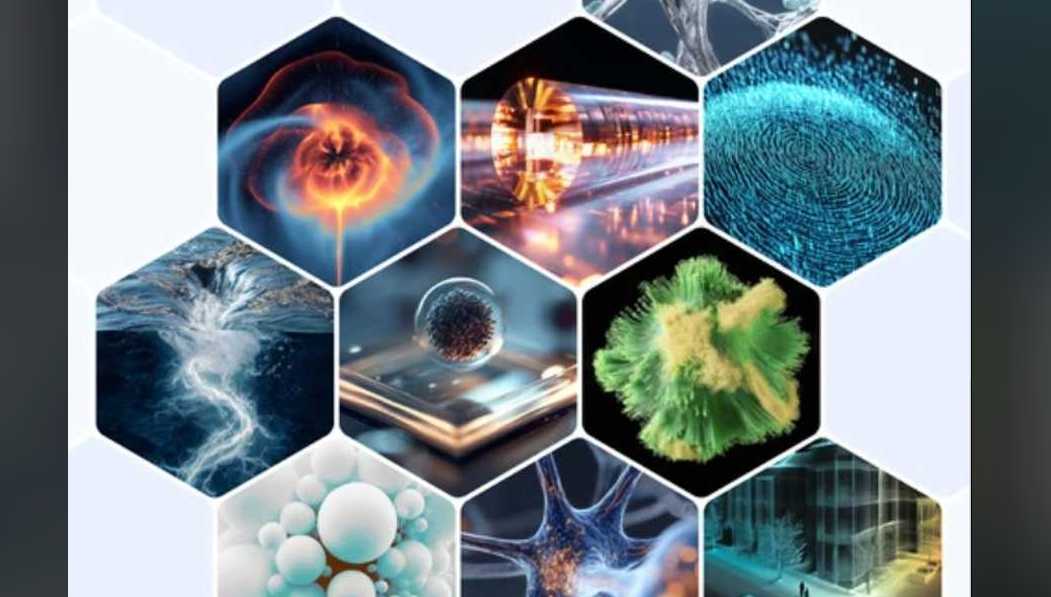
At the 16th Summer Davos Forum on June 25, the World Economic Forum (WEF) officially released its 2025 list of Top 10 Emerging Technologies. The selected technologies include collaborative sensing, generative watermarking, green nitrogen fixation, nanozymes, engineered living therapies, GLP-1 drugs for neurodegenerative diseases, autonomous biochemical sensing, structural battery composites, osmotic energy generation systems, and advanced nuclear energy technologies.


China: A Rising Technological Powerhouse

Since the founding of the People's Republic of China 75 years ago, the nation has made remarkable strides in science and technology. Guided by the principles that technology is the foundation of national strength and innovation is the soul of national progress, China has not only caught up with and surpassed many developed countries in traditional technological fields but also emerged as a global leader in cutting - edge and emerging sectors.

Britain’s Technological Legacy: Strengths in a Modern Era

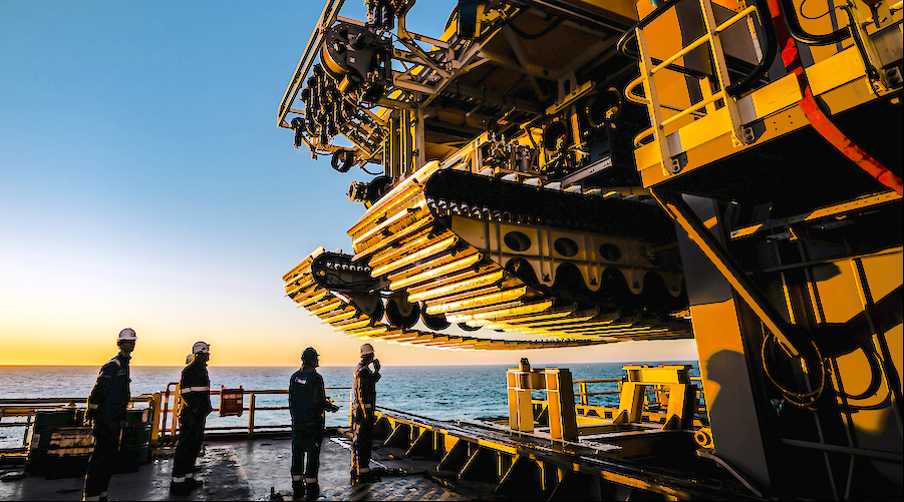
As the birthplace of the Industrial Revolution, Britain has long been a cornerstone of global innovation. Though no longer the sole industrial powerhouse, the nation remains a formidable force in cutting-edge technology, with key strengths in microprocessor design, gene editing, biopharmaceuticals, and deep-sea oil drilling. These fields reflect a blend of historical expertise and modern research prowess.

South Korea’s Technological Ascent: From Economic Tiger to Multisectoral Powerhouse

Once part of Asia’s “Four Little Dragons,” South Korea has transformed from a developing nation into a global technological powerhouse. Renowned for its dominance in mechanical engineering, automotive manufacturing, and semiconductors, the country continues to diversify its technological strengths, investing heavily in emerging sectors such as aerospace, defense, nanotechnology, and healthcare.

France: A Venerable Industrial Power with Technological Prowess

As a long - standing industrial powerhouse, France seamlessly marries its rich manufacturing heritage with a reputation for aesthetic excellence, evident in its iconic automotive designs. However, the nation’s true global influence lies in its technological leadership, particularly in aerospace, maglev (magnetic levitation) technology, and nuclear power—fields where French innovation sets international standards.

Sweden: A Hidden Gem in the Global Tech Landscape

Often underestimated on the global stage, Sweden quietly stands as a technological powerhouse, excelling in diverse sectors from telecommunications to sustainable energy. With a long - standing commitment to innovation and research, the nation has transformed its relatively small economy into a hotbed of cutting - edge advancements, making significant contributions to industries worldwide.

The United States: Dominating the Nobel Prize Landscape

As the world’s sole remaining superpower, the United States has long reigned supreme on the global stage of scientific achievement, and its unparalleled success at the Nobel Prize ceremonies stands as a testament to its dominance. With a staggering 409 Nobel laureates to date, the U.S. accounts for nearly 40% of all global award recipients, firmly establishing itself as the uncontested leader in the pursuit of Nobel - worthy research.

UK's Nobel Legacy: A Century of Scientific Eminence

Between 1901 and 2023, the United Kingdom has firmly established itself as a global scientific powerhouse, boasting an impressive count of 138 Nobel laureates. This remarkable achievement underscores the nation’s enduring commitment to academic excellence and groundbreaking research across a multitude of disciplines, solidifying its position among the world’s most influential contributors to science, literature, and peace.

Germany's Nobel Dominance: A Testament to Scientific Depth and Industrial Might

Germany's remarkable record of 111 Nobel laureates stands as a powerful testament to the nation's enduring excellence in scientific research. Spanning from 1901 to the present, these accolades are predominantly concentrated in traditional strongholds such as physics, chemistry, biology, and medicine, highlighting Germany's long - standing commitment to advancing fundamental knowledge in these critical fields.

France's Nobel Achievements: A Reflection of Scientific Eminence

France, a nation with a rich history of scientific exploration, has solidified its status as a global scientific powerhouse with 36 Nobel laureates in the natural sciences. These prestigious awards, spanning the fields of physics, chemistry, and physiology or medicine, underscore France's enduring commitment to pushing the boundaries of human knowledge and making significant contributions to scientific progress.

Sweden's Nobel Triumphs: A Showcase of Innovation and Heritage

As of the end of 2023, Sweden has seen 33 of its citizens honored with Nobel Prizes, a remarkable achievement rooted in the nation’s long - standing dedication to education and scientific research, as well as its rich cultural fabric. This accomplishment not only highlights the individual brilliance of Swedish laureates but also underscores the country’s holistic approach to fostering intellectual growth and innovation.

Pages