Sci-Tech

OpenAI Unveils AI Browser Ambitions to Dethrone Chrome

OpenAI is poised to disrupt the global browser market with its upcoming AI-powered browser, designed to challenge Google Chrome’s 65.94% market dominance and reshape how users interact with the web. Built on the Chromium framework—the same foundation as Chrome—the browser integrates ChatGPT-style conversational interfaces and AI agent capabilities, aiming to transform passive browsing into an interactive, task-driven experience.

The Internet of Things: A Transformative Force in 2045

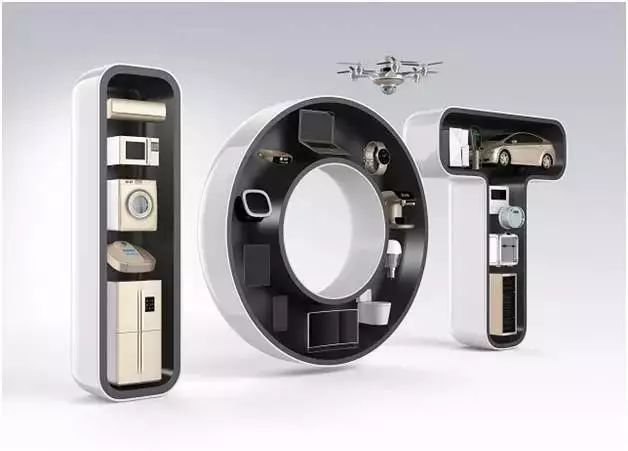
In 2045, even the most conservative forecasts project that over 100 billion devices will be connected to the internet. This vast network encompasses a wide array of devices, including mobile gadgets, wearables, household appliances, medical equipment, industrial sensors, surveillance cameras, automobiles, and even smart clothing. The data generated and shared by these devices is set to trigger a new information revolution, reshaping the way we work and live.


Europe Aims to Cut U.S. Reliance with Nordic Spaceport Projects

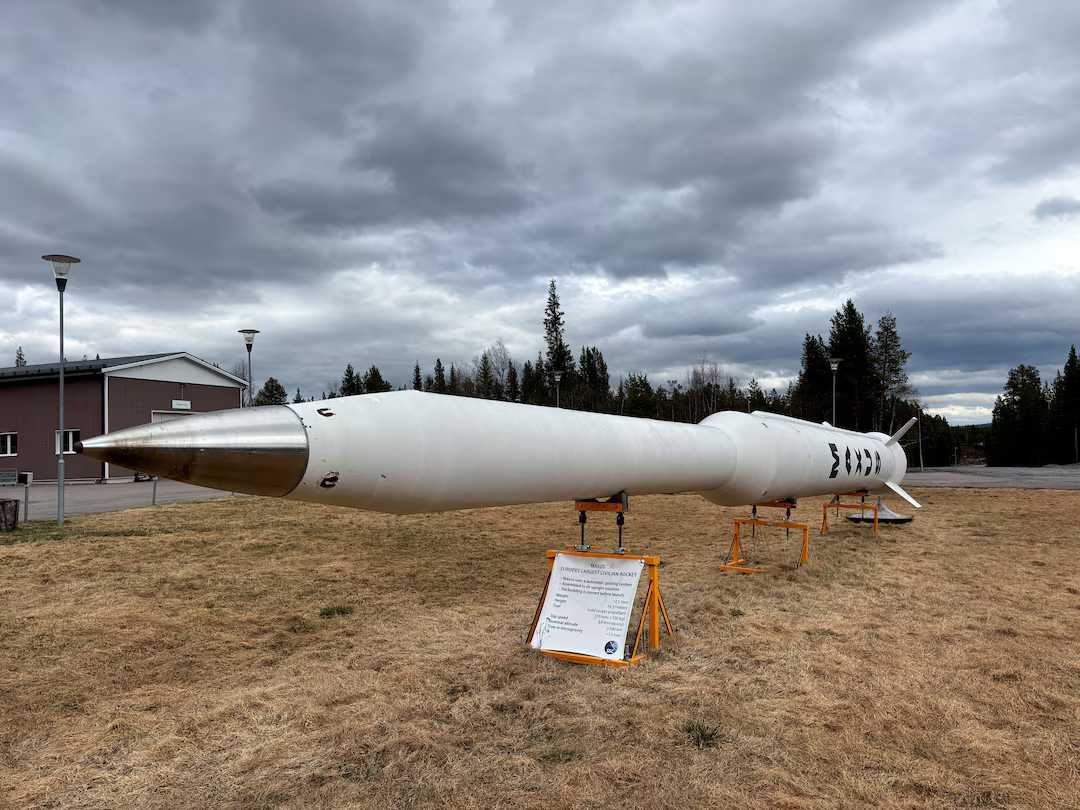
As reported by Reuters on July 10, Europe is pushing forward with building domestic launch facilities in Sweden’s Esrange and Norway’s Andøya to reduce dependence on the U.S. and strengthen its independent space capabilities. The goal is to send satellites into orbit from the European continent for the first time. Previously, Europe’s only launch site was in French Guiana, South America—its remote location and high costs made it hard to meet rising commercial and military needs.

Robots and Automated Systems: Ubiquitous Forces in 2045

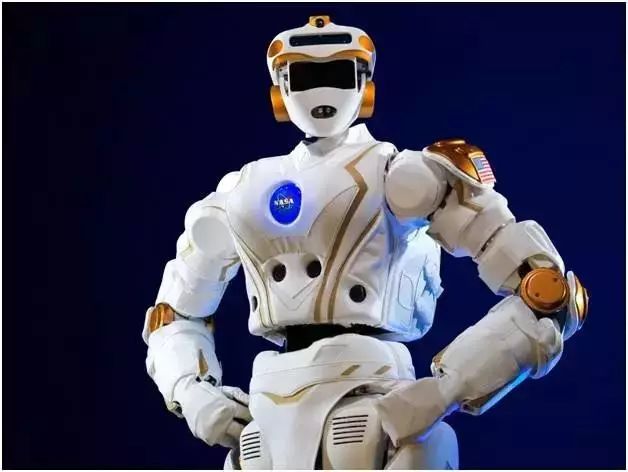
In 2045, robots and automated systems will be an omnipresent part of life on Earth. Self - driving cars are expected to make transportation safer and more efficient, potentially injecting new vitality into the sharing economy. Robots will undertake a vast array of tasks in daily life, such as caring for the elderly, grocery shopping, as well as industrial responsibilities like harvesting crops and maintaining public infrastructure.

Smart Cities: The Future of Urban Living in 2045

By 2045, an estimated 65% - 70% of the world's population will be residing in urban areas. As the urban population swells, the number of megacities with a population exceeding 10 million is projected to increase from 28 in 2016 to 41 by 2030. This massive influx of people into cities will place immense strain on urban infrastructure, including intercity transportation, food and water supply, power and energy systems, sewage treatment, and public safety networks.

Meta Buys 3% Stake in EssilorLuxottica Asia-Pacific for $3.5B to Boost AI Glasses Push

Meta has invested $3.5 billion to acquire roughly 3% of EssilorLuxottica’s Asia-Pacific unit, the world’s largest eyewear maker, in a bid to strengthen its artificial intelligence (AI) glasses business. Sources say Meta is considering raising its stake to around 5% in the future, signaling a shift to reduce reliance on smartphone platforms and build its own dedicated hardware ecosystem.

UK Startup Allotrope Energy Secures $6.7M for Revolutionary Supercapacitor, Partners with Brazilian Pulp Firm

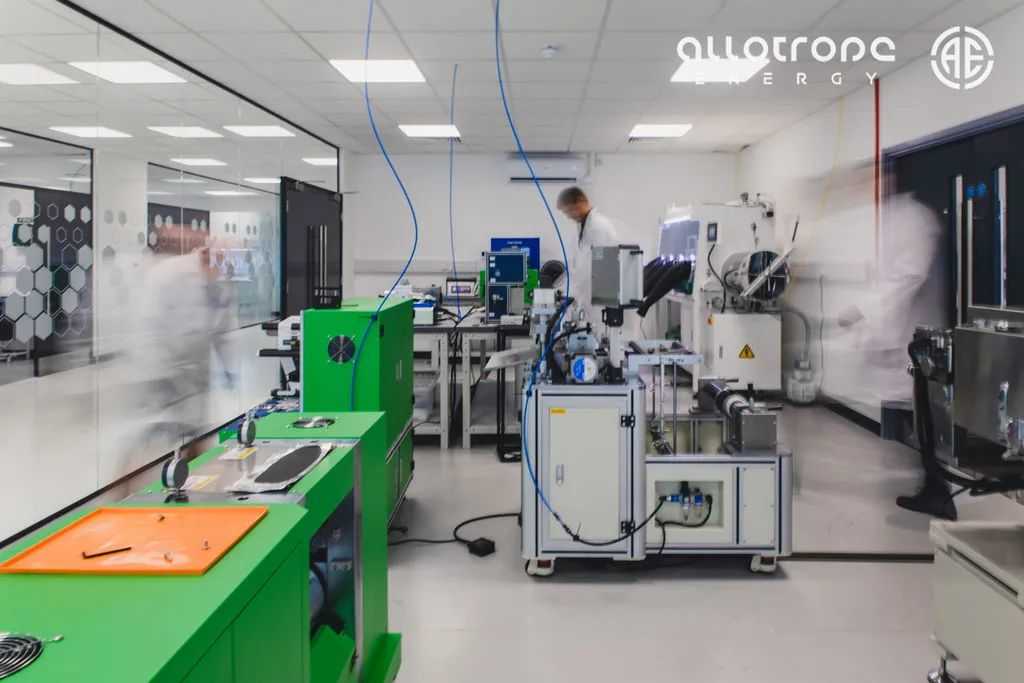
UK-based Allotrope Energy, a 2016-founded battery capacitor startup, has unveiled a groundbreaking super EDLC (electrochemical double-layer capacitor) set to disrupt automotive tech. It secured $6.7 million from Brazil’s Suzano Ventures, partnering with the pulp producer—known for paper products—to manufacture the innovation.

Scientists Discover Molecular Water in Lunar Soil for the First Time

Chinese scientists have identified a new water-bearing mineral, ULM-1, in lunar soil samples brought back by the Chang'e-5 mission, marking the first confirmation of crystalline molecular water in lunar soil. This mineral, characterized by high water content and stable properties, suggests that persistent water sources may exist in sunlight-exposed regions of the Moon.

"Exploration - 3" Commissioned in Sanya, Boosting Manned Deep - sea Diving to Cover the Entire Sea Area

Xinhua News Agency, Sanya, December 29th – The "Exploration - 3", a multi - functional scientific research vessel independently built by China, arrived at the Nanshan Port Public Scientific Research Wharf in Sanya Yazhou Bay Science and Technology City on December 29th, 2024, and was officially commissioned. This event marks a significant breakthrough in China's deep - sea exploration capabilities.

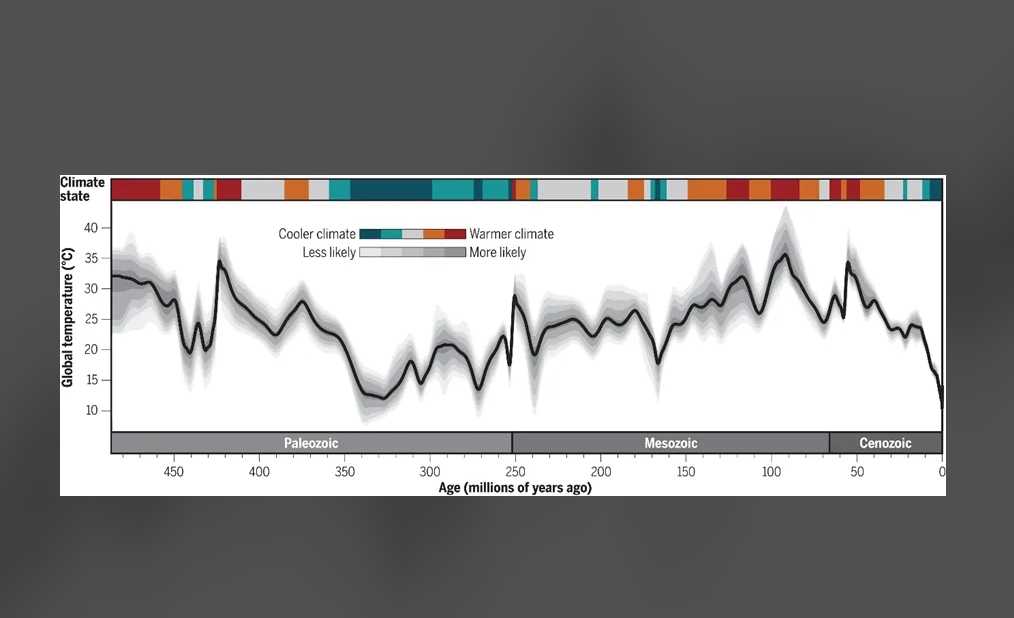
Carbon Dioxide Has Governed Earth's Climate Change for Nearly 500 Million Years, New Research Unveils Deep - time Climate Evolution Map

Recently, scientists from the United States have reconstructed the curve of Earth's average temperature changes over the past 485 million years. By integrating 150,000 paleoclimate records with model simulations, they found that extreme warming events on Earth are highly correlated with the increase in CO₂ concentration. This research was published in the journal Science.

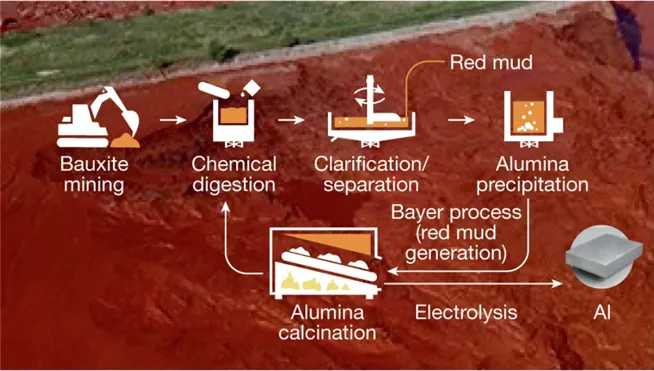
Hydrogen Plasma - based Extraction of High - Purity Iron from Red Mud Drives Green Metallurgy

European scientists have developed a new method that uses hydrogen plasma to reduce iron oxide in red mud, capable of producing liquid iron with a purity of over 95% in just a few minutes. This process contains almost no harmful elements and is suitable for steel - making. Meanwhile, it can consume red mud, an industrial solid waste, and is expected to solve the environmental problem of 180 million tons of red mud produced annually.

Scientists Discover Potentially the Oldest Rocks on Earth in Canada

Scientists have identified what could be the world's oldest rocks in the Nuvvuagittuq greenstone belt along the coast of Hudson Bay in northeastern Canada. These rocks are at least 4.16 billion years old, about 160 million years earlier than the previously recognized oldest rocks, and are the only known surviving fragments of the Earth's Hadean - eon crust, providing a precious window into the early evolution of the Earth.

Mixed Reality: Merging VR and AR to Reshape Tech Landscape

Virtual Reality (VR) and Augmented Reality (AR) technologies have sparked immense enthusiasm in the consumer electronics market, with tech giants rushing to enter the space. After acquiring Oculus VR in 2014, Facebook is set to launch its first VR headset this year, while Samsung, Sony, and HTC also plan to roll out their VR products. The influx of capital signals that VR is poised to become the next mainstream entertainment technology.

Pages