Sci-Tech

France's Nobel Achievements: A Reflection of Scientific Eminence

France, a nation with a rich history of scientific exploration, has solidified its status as a global scientific powerhouse with 36 Nobel laureates in the natural sciences. These prestigious awards, spanning the fields of physics, chemistry, and physiology or medicine, underscore France's enduring commitment to pushing the boundaries of human knowledge and making significant contributions to scientific progress.

Sweden's Nobel Triumphs: A Showcase of Innovation and Heritage

As of the end of 2023, Sweden has seen 33 of its citizens honored with Nobel Prizes, a remarkable achievement rooted in the nation’s long - standing dedication to education and scientific research, as well as its rich cultural fabric. This accomplishment not only highlights the individual brilliance of Swedish laureates but also underscores the country’s holistic approach to fostering intellectual growth and innovation.

Japan's Nobel Success: A Testament to Research Excellence

As of now, Japan has amassed an impressive 27 Nobel Prizes, spanning diverse fields including physics, chemistry, physiology or medicine, literature, and the peace prize. This remarkable achievement not only underscores Japan’s multifaceted contributions to global knowledge but also highlights the nation’s unwavering commitment to academic and scientific exploration across various disciplines.

Switzerland: Small in Size, Mighty in Nobel Achievements

Despite its relatively small population, Switzerland has firmly established itself as a global scientific powerhouse, boasting an impressive 27 Nobel laureates to date. This remarkable accomplishment underscores the nation’s extraordinary ability to nurture world - class talent and drive groundbreaking research, solidifying its reputation as a hub of innovation and academic excellence.

Canada’s Nobel Laureates: A Multidisciplinary Showcase of Excellence

Despite its relatively modest population, Canada has emerged as a global force in intellectual achievement, boasting 26 Nobel laureates as of recent records. These prestigious accolades, spanning literature, physiology or medicine, economics, peace, and physics, underscore the nation’s diverse contributions to human knowledge and its enduring commitment to excellence across multiple disciplines.

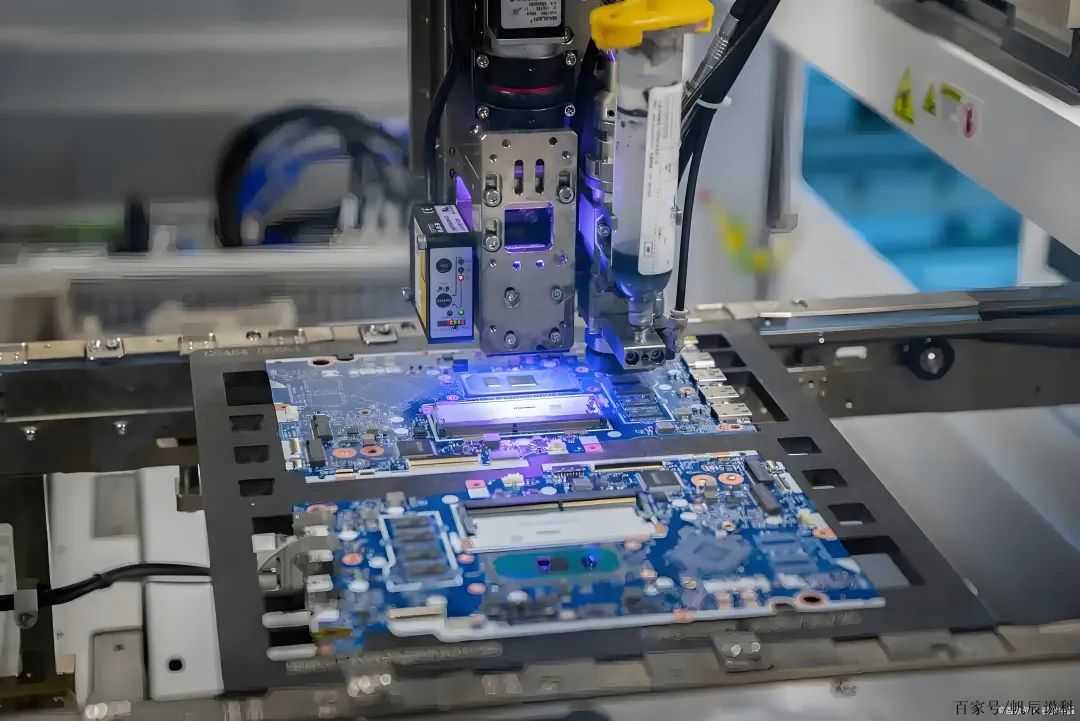
The Triumvirate of Ultra-Precision Machine Tools and Materials Science: Japan, Germany, and Switzerland

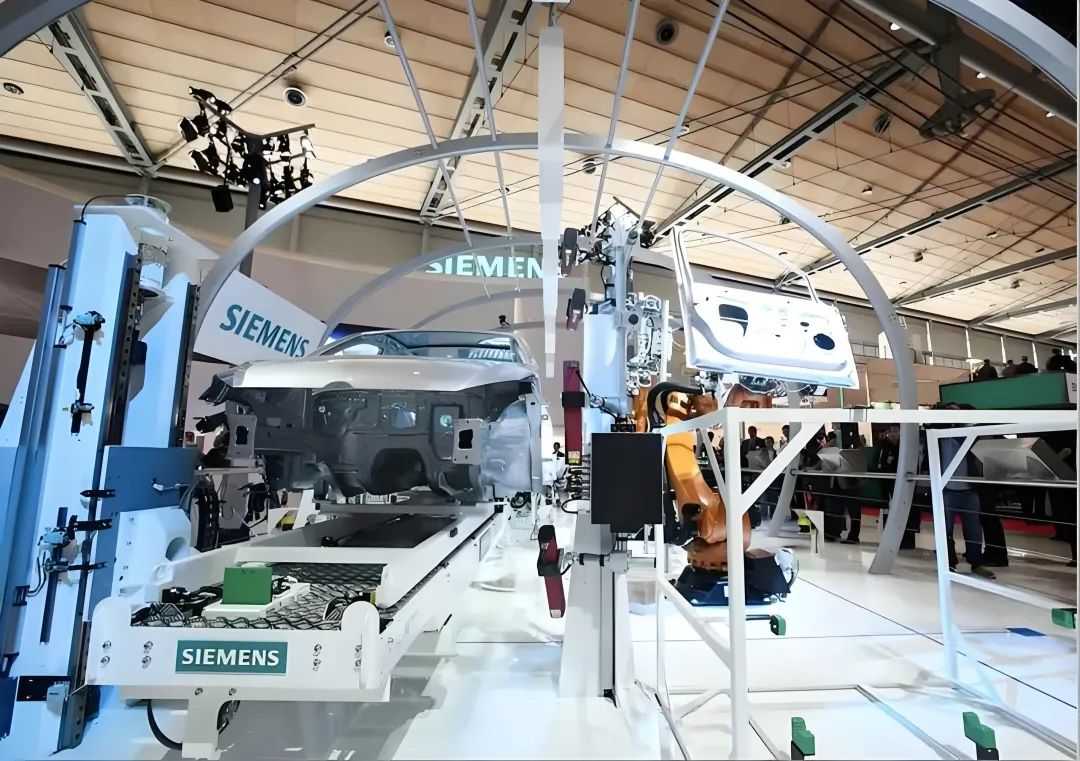
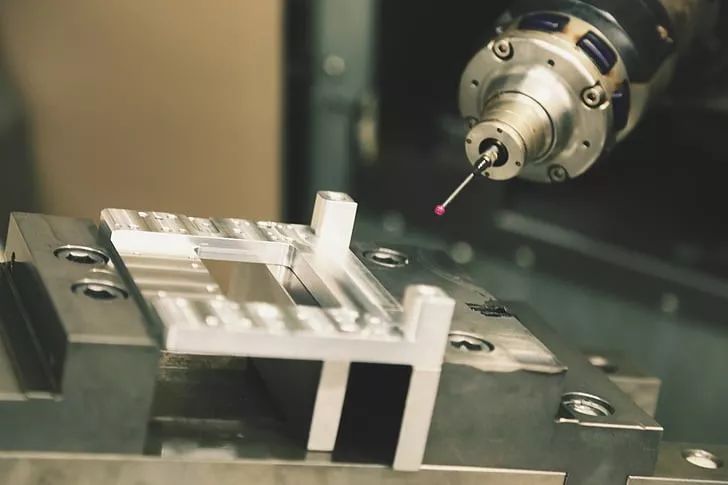
Ultra-precision machine tools and materials science form the bedrock of modern industry, and three nations—Japan, Germany, and Switzerland—dominate these critical sectors. Among them, Japan has established an unparalleled lead, blending technological innovation with meticulous engineering to set global standards.

Industrial Robotics: Japan’s Dominance and the Global Race for Technological Leadership

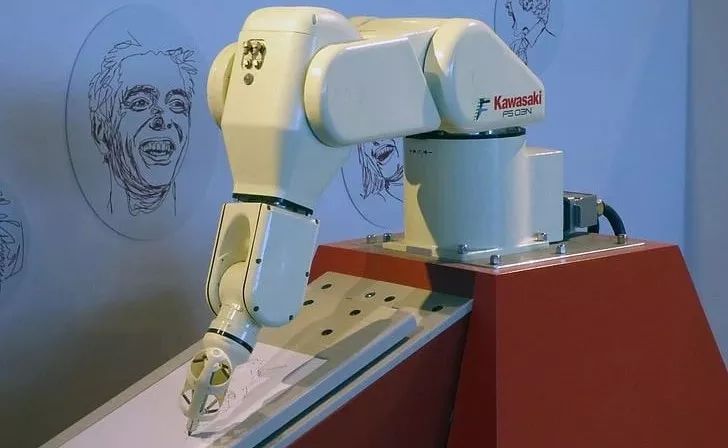
As the world hurtles toward an automated future, industrial robotics has emerged as a pivotal sector expected to drive global growth over the next five decades. At the heart of this revolution lies Japan, a nation that has secured a commanding lead in robotic technology, with its firms dominating both the market and key technical innovations.

Yamaha and the Global Musical Instrument Industry: A Tale of Japanese and German Dominance

The global musical instrument industry is largely dominated by Japan and Germany, with Japanese conglomerate Yamaha standing as an unchallenged titan. Renowned for its craftsmanship, innovation, and unparalleled quality, Yamaha has solidified its position as the world’s leading brand, shaping the landscape of classical, contemporary, and professional music scenes alike.

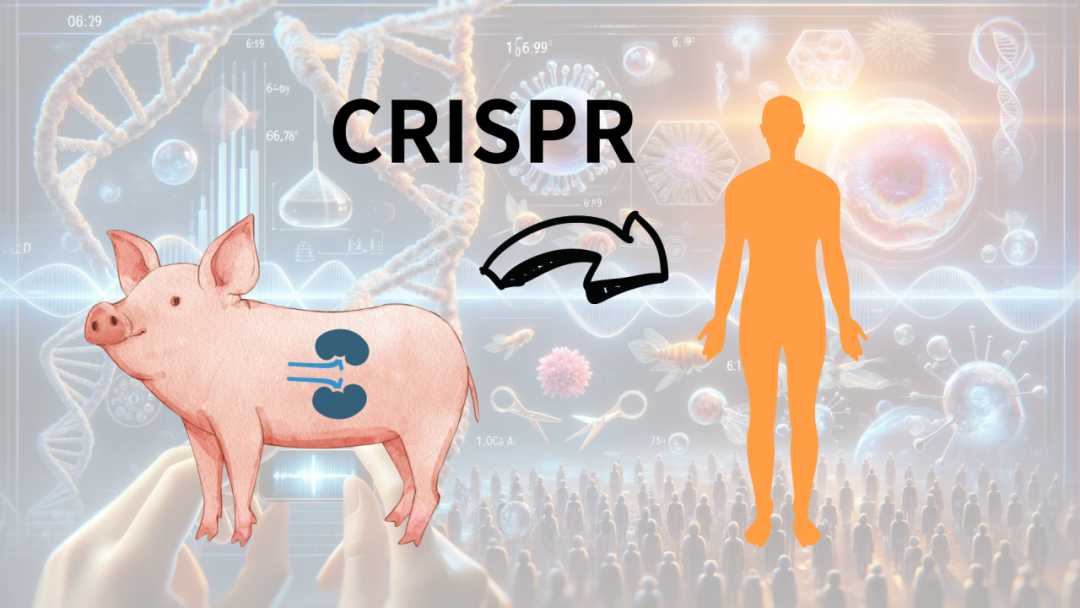
Groundbreaking: Gene-Edited Pig Organs Successfully Transplanted into Humans

Organ transplantation is a crucial treatment for many patients with end-stage organ failure. In China, there are over 300,000 people on the organ transplant waiting list, yet only about 16,000 organs are available annually. To address this global challenge, scientists have been exploring the use of gene-editing technology to modify pig organs for human transplantation.

Euclid Space Telescope Unveils First Scientific Results

The European Space Agency (ESA) has released the first scientific results from the Euclid Space Telescope, which was launched in July 2023. Among these results are scientific images that vividly display a brilliant galaxy cluster, nearby spiral galaxies, and a colorful interstellar gas cloud teeming with hundreds of thousands of young stars. These images offer a breathtaking view into the wonders of the universe.

Researchers Publish 15 Papers, Unveiling the Largest Brain Gene Regulatory Network Map

In a significant scientific endeavor, researchers have recently published 15 papers across the journals Science, Science Advances, and Scientific Reports. They claim to have mapped out the largest and most advanced multi - dimensional atlas of the brain's gene regulatory network to date. This comprehensive atlas details numerous regulatory elements that coordinate the brain's biological pathways and cellular functions.

AI-Powered Brain Implant Enables Bilingual Communication for Speech-Impaired Individual

A recent study published in Nature Biomedical Engineering by researchers at the University of California, San Francisco (UCSF) has revealed a groundbreaking achievement. An artificial intelligence (AI) system integrated with a brain implant has, for the first time, assisted a person with speech impairments in communicating in two languages.

SpaceX's Starship Achieves Historic Mid - Air Booster Capture in Fifth Test Flight

On October 13th, local time, SpaceX, the American space exploration technology company, conducted the fifth test flight of its new - generation heavy - lift launch vehicle, Starship. This test flight witnessed a remarkable achievement as the rocket's booster was "caught" by a robotic arm nicknamed "chopsticks" on the launch tower during its descent, achieving the first mid - air capture and recovery. Subsequently, the Starship spacecraft splashed down in the Indian Ocean.

Pages